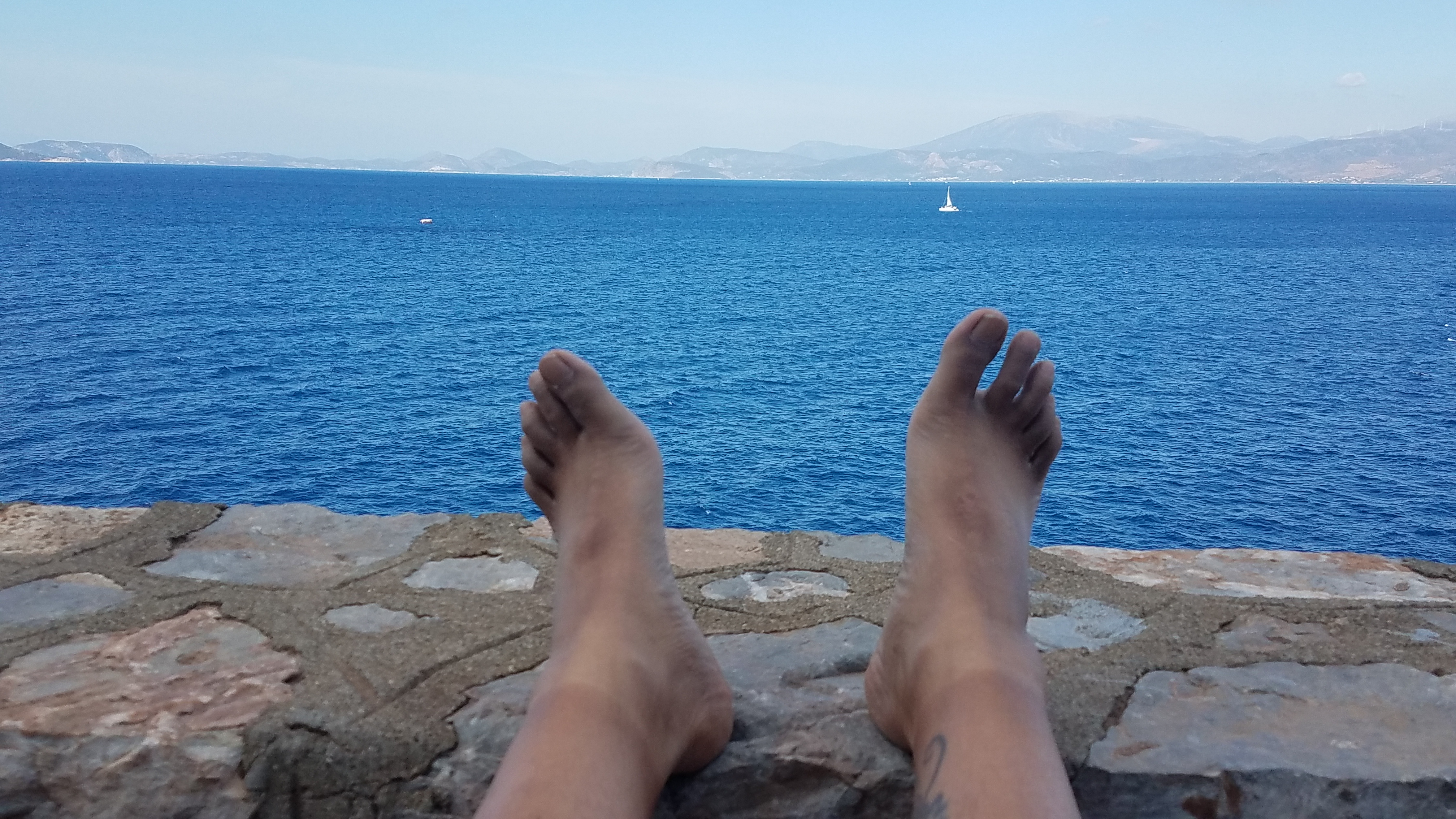
It was during our stay in Croatia (“Hrvatska” in Croat) that I came to understand why this part of the world attracted so many people. Why every major cruise line in the world had at least one itinerary that included ports of call along the Mediterranean (think Mykonos, Nice, the Italian Riviera). Why Impressionist-era artists, like Monet, raved about the light, international celebrities (of yesteryear and today) secretly vacationed here, the world’s rich building mansions along its coast.
With this popularity came the high prices, both then and now. The same dish in Barcelona (Spain) would cost twice as much as one ordered from a restaurant just inland from the coastal hot spot. Hotels could charge a premium and more often than not did. Cab drivers (or carriage coachmen!) could make a killing off the starry-eyed foreigners.
I am grateful that our introduction to this highly-touristed region of Europe was Croatia. If it was elsewhere, it would have left a bad taste in our mouth and turned us off to traveling to this continent again (unlikely, but added for the drama!).

Our home base was the seaside town of Porec, located on the western coast of the Istrian peninsula (the lump on the elbow of the boomerang-shaped country). This peninsula and the lands to the north that curved around the northern end of the Adriatic Sea are at the crossroads of many cultures. From the north came the almighty Hapsburg dynasty. From the west came the Italians. To its east the Slavs and Turks. And from the south, the Greek and Arab influences. This blending can be seen in the faces of the people.

It is also infused in their food.
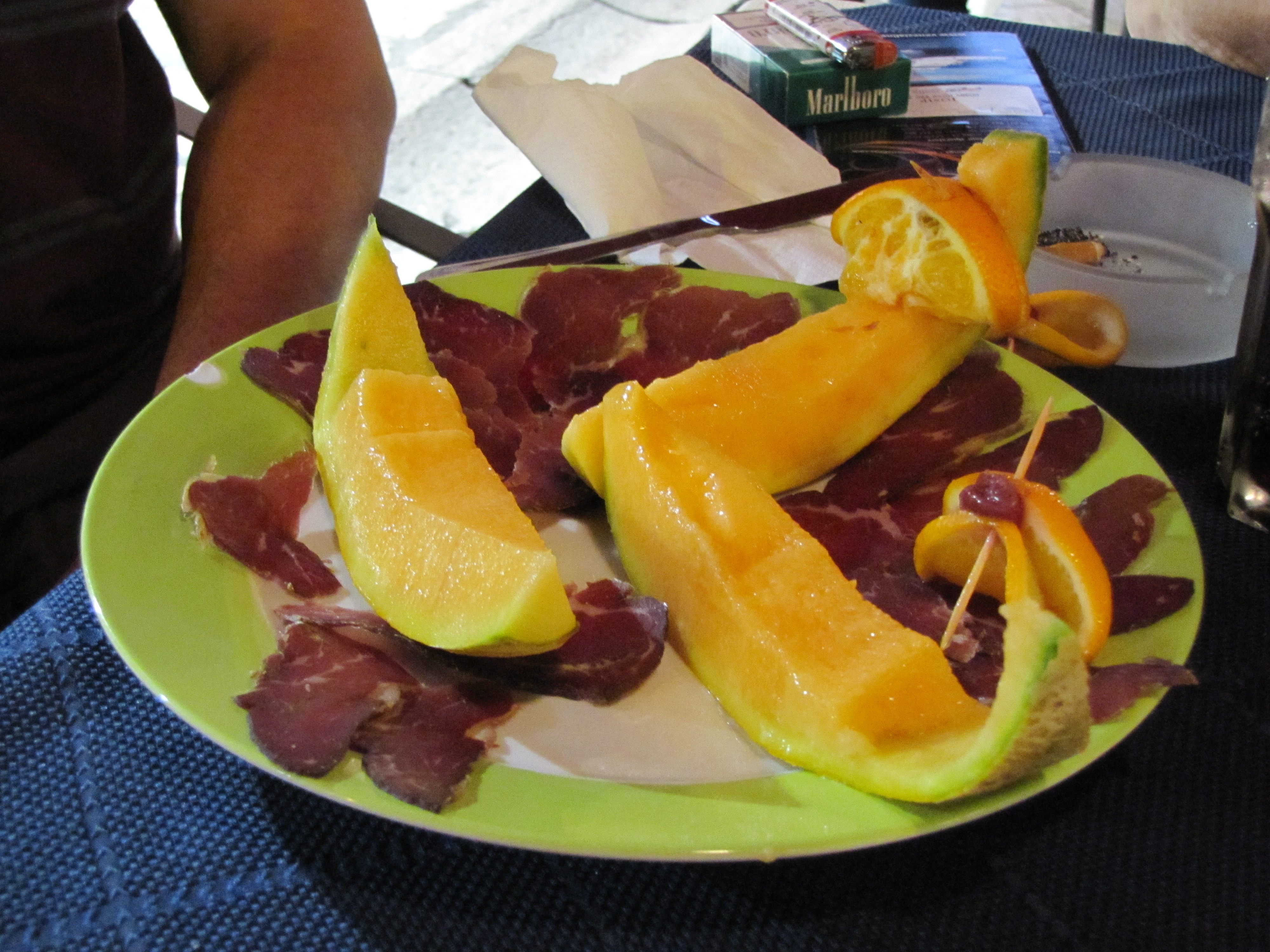
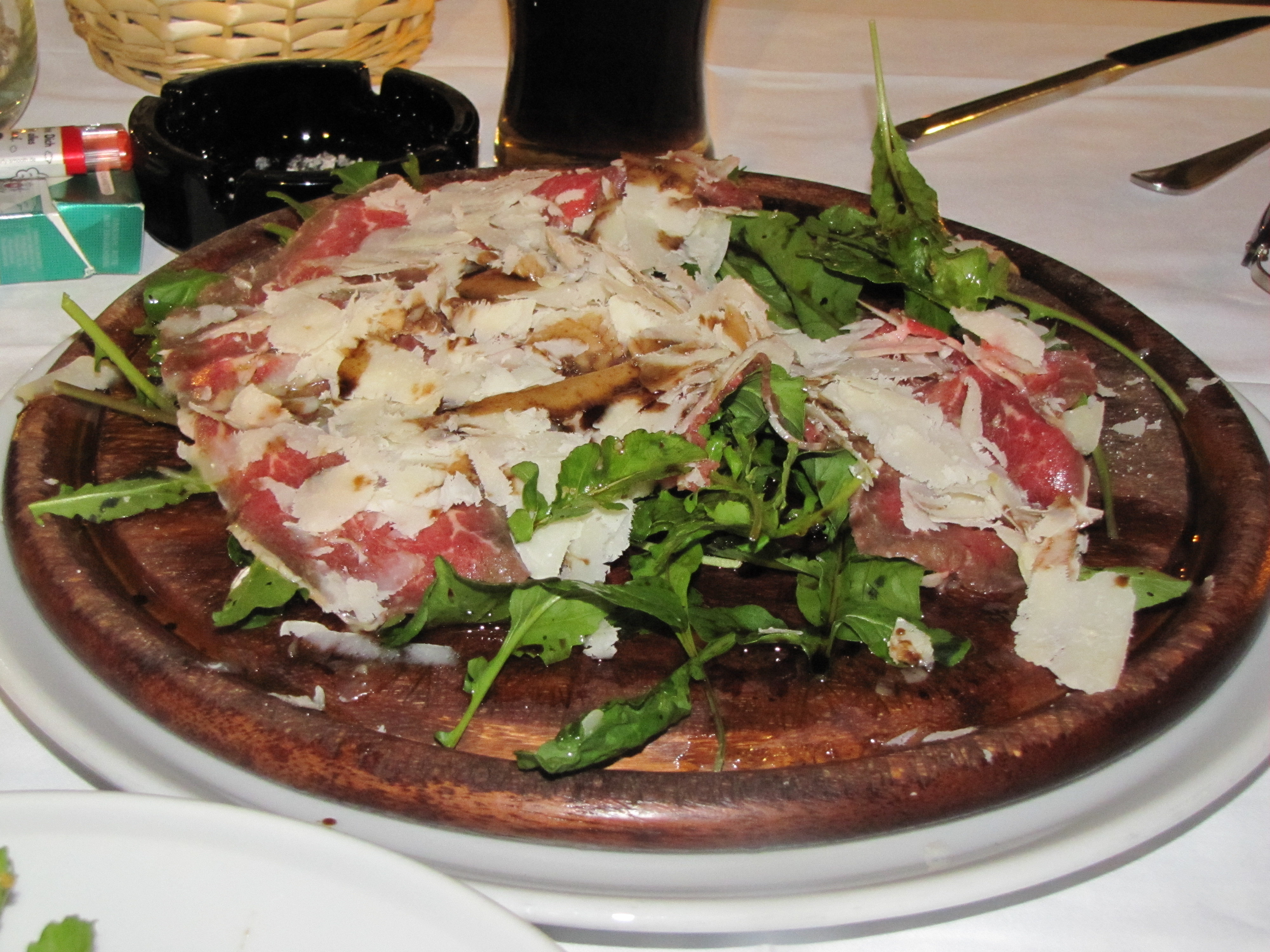
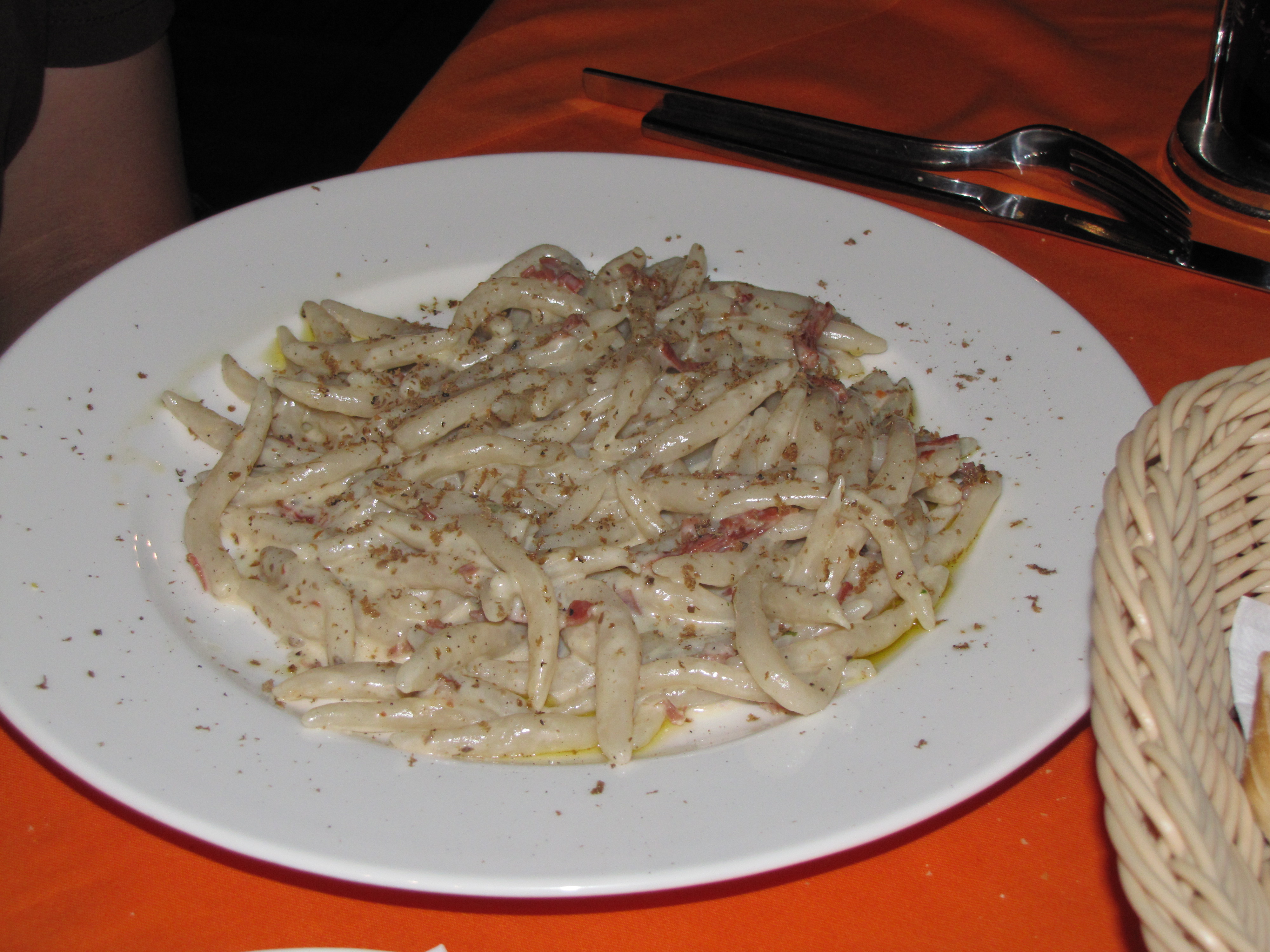

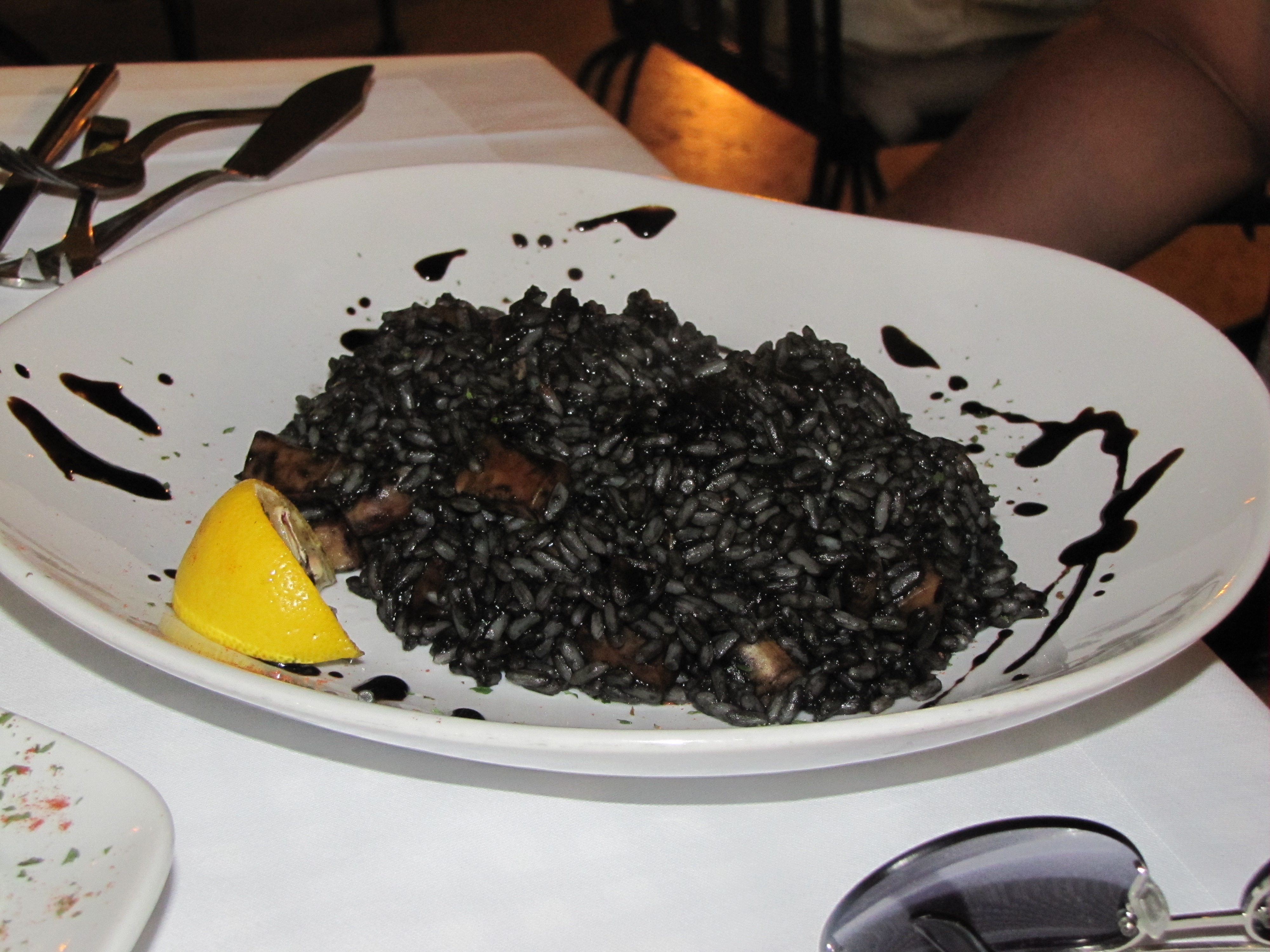
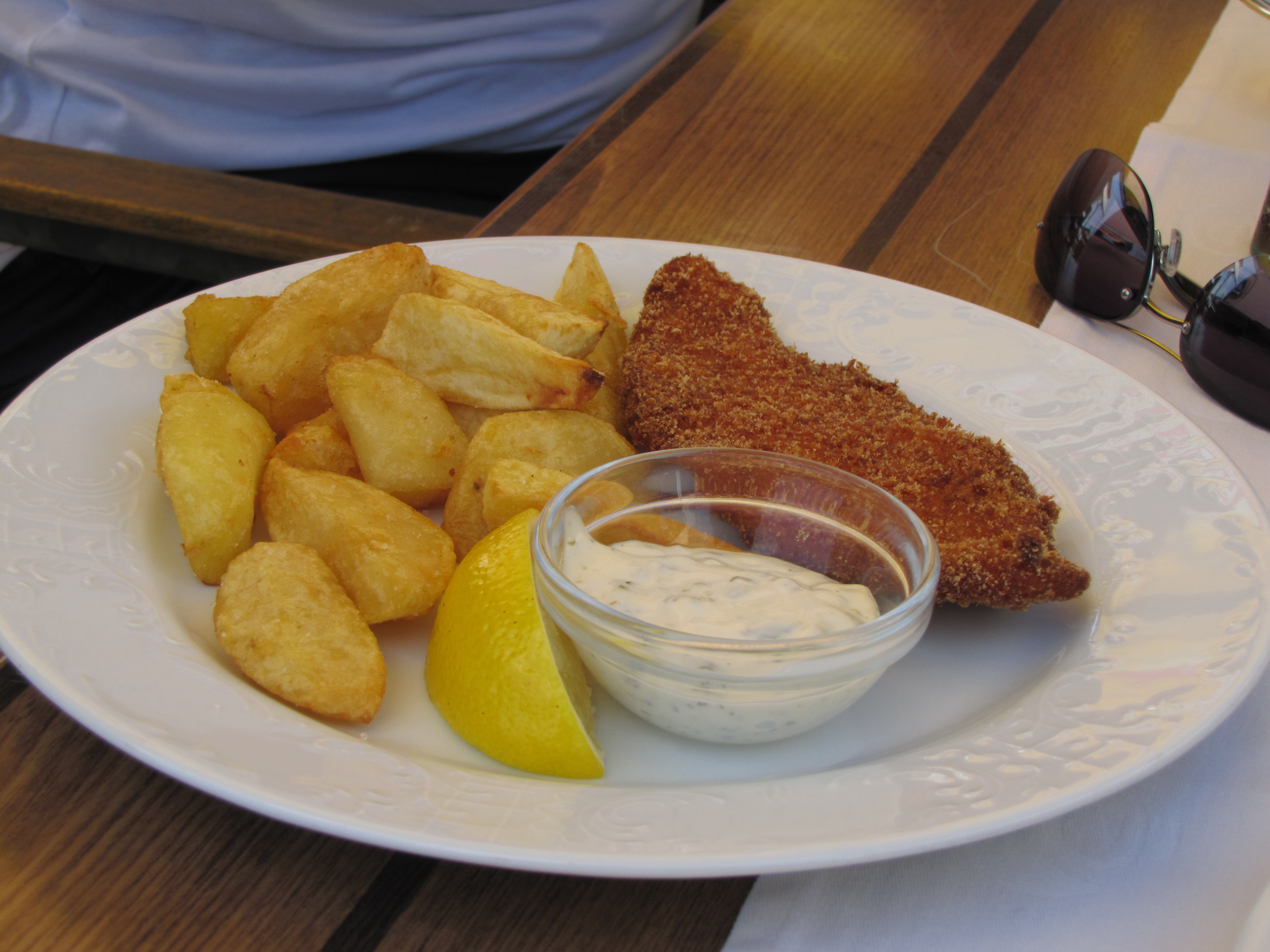
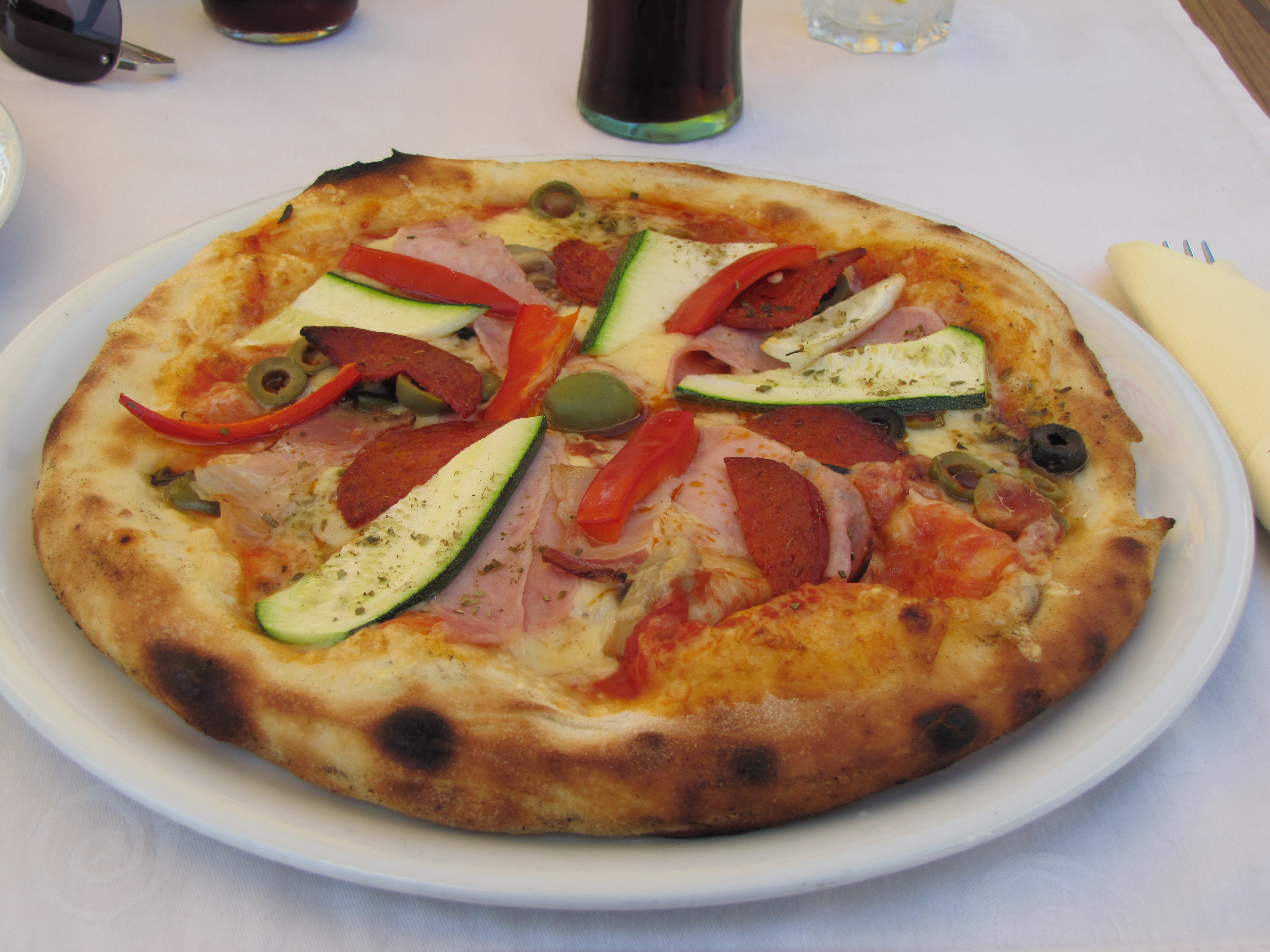
And even reflected in their traditions and architecture.
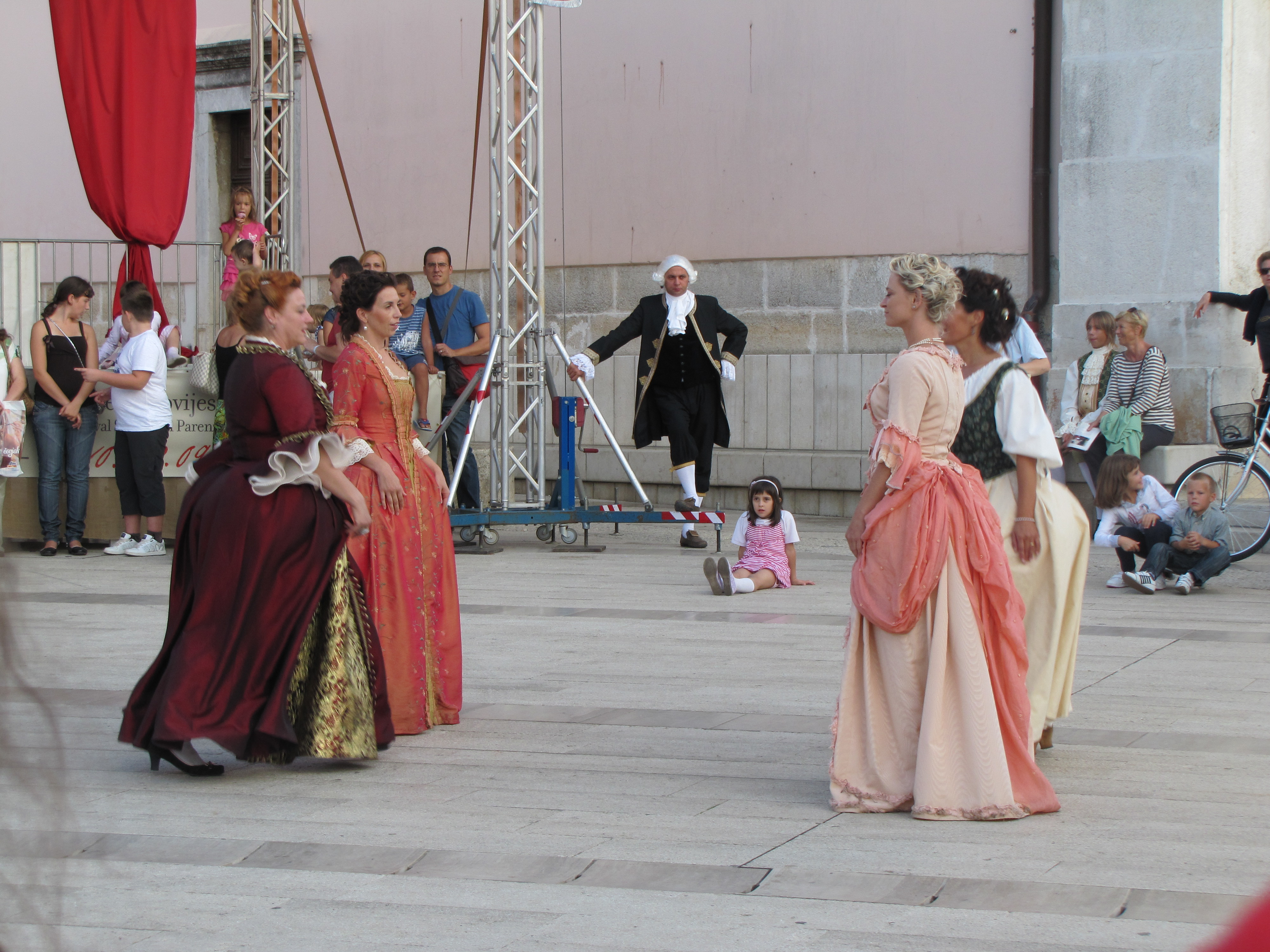
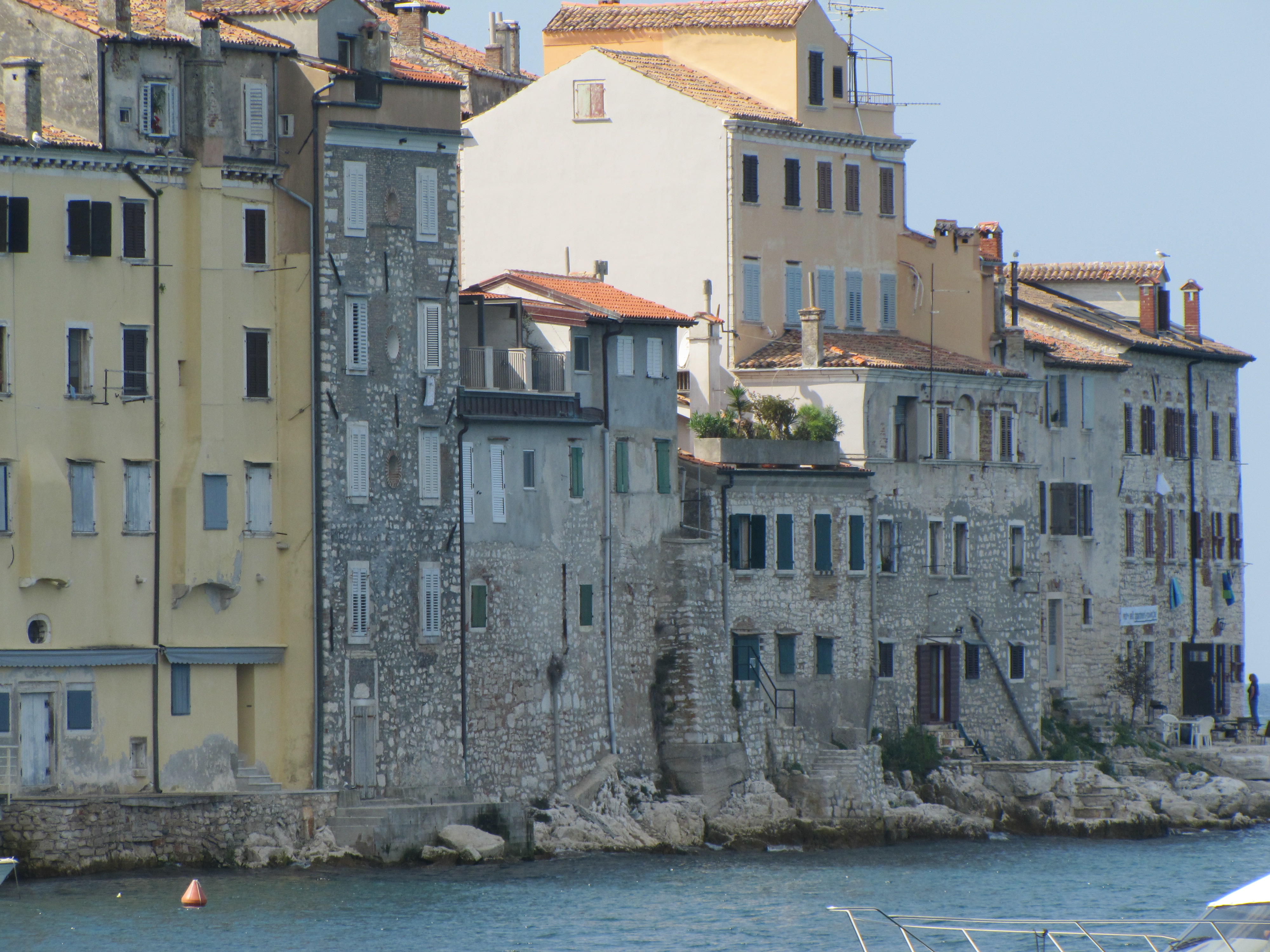
Why was I so grateful it was Croatia? Because one still had the temperate weather (the big draw) as elsewhere in the Mediterranean, the beaches were literally indistinguishable (and even less crowded), the seafood was equally fresh and delicious, the historic sites were plentiful and one got all of this for a third of the price than at other more popular destinations (remember Barcelona?); basically, the Mediterranean experience at a bargain. Keep in mind this was over a decade ago but even now the relative bang-for-your-buck of Croatia compared to its European competitors is still a very good value. Is it any wonder that the country has been dubbed the “hidden gem of Europe”!
When we thought of visiting Europe, only two countries really came to mind: Italy and France.
Luckily, Italy is on the opposite bank of the Adriatic Sea from Croatia. The two look like puzzle pieces that would fit snuggly had it not been for a body of water separating them.
The Italian influence is strong and undeniable in this former Yugoslavian state. On a nautical day-trip (highly recommend for the full experience anywhere on the Mediterranean) down the coast to another seaside port (Rovinj), it became obvious that the Italy and Croatia have had a very long history together.

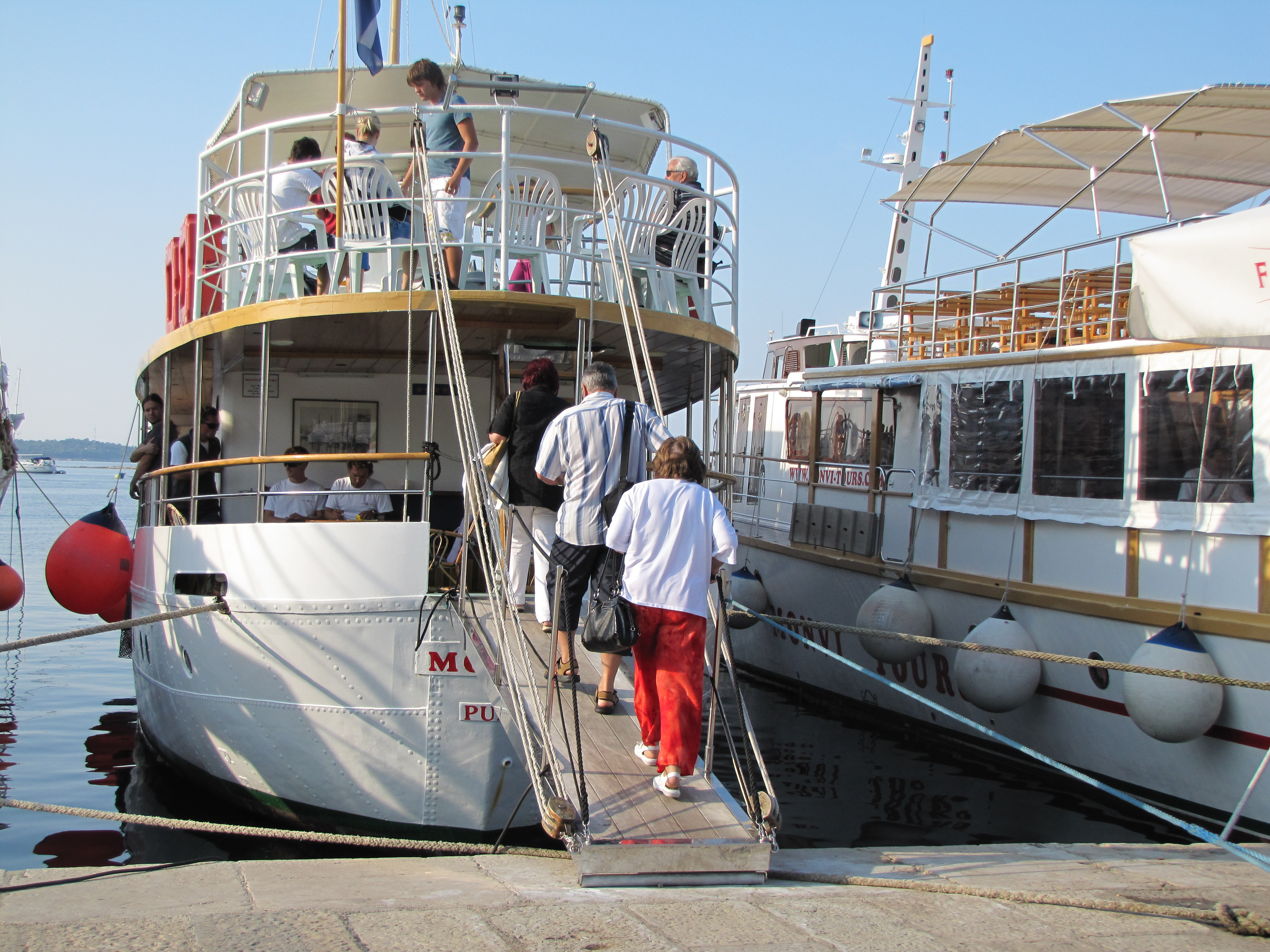
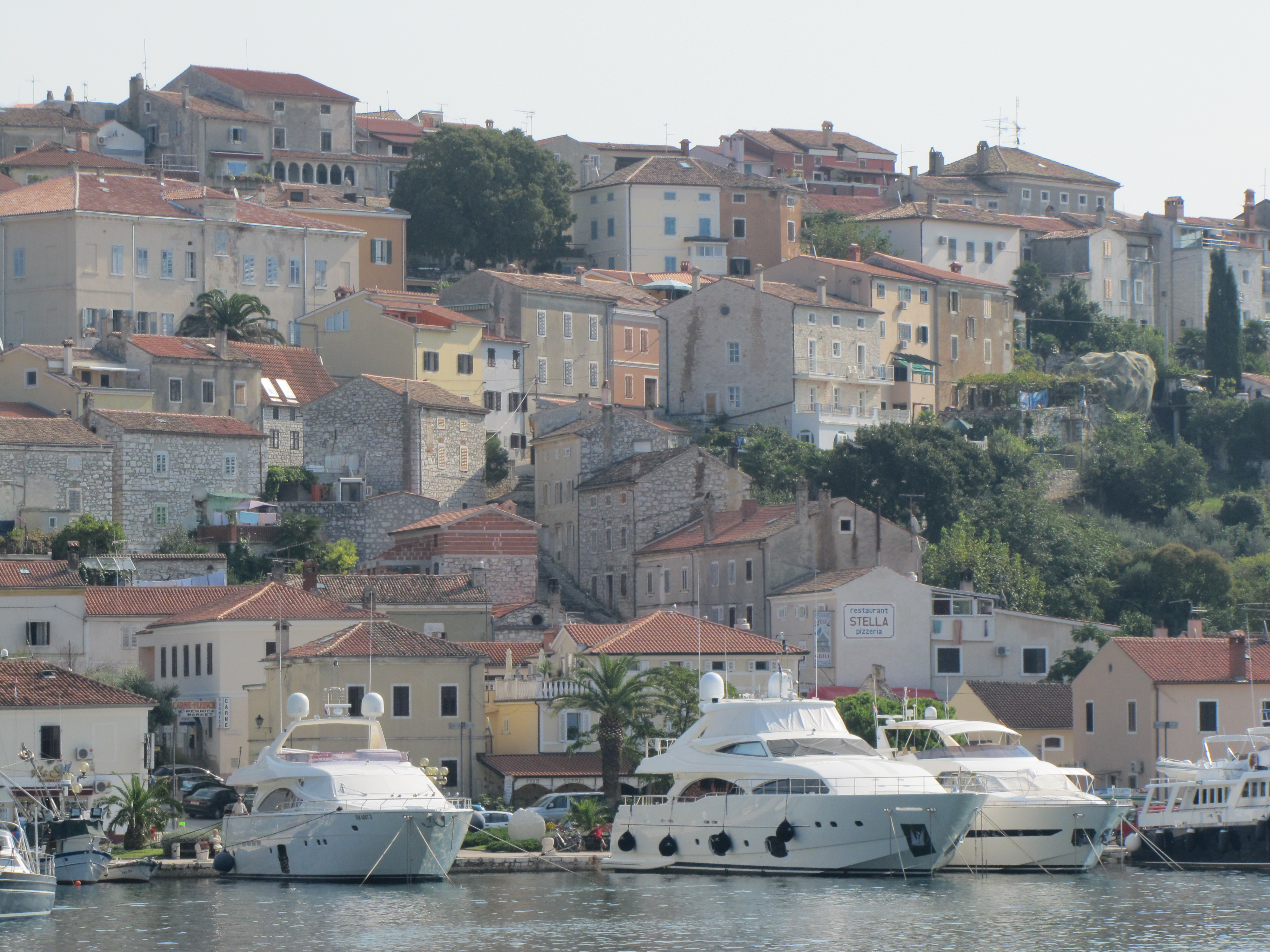
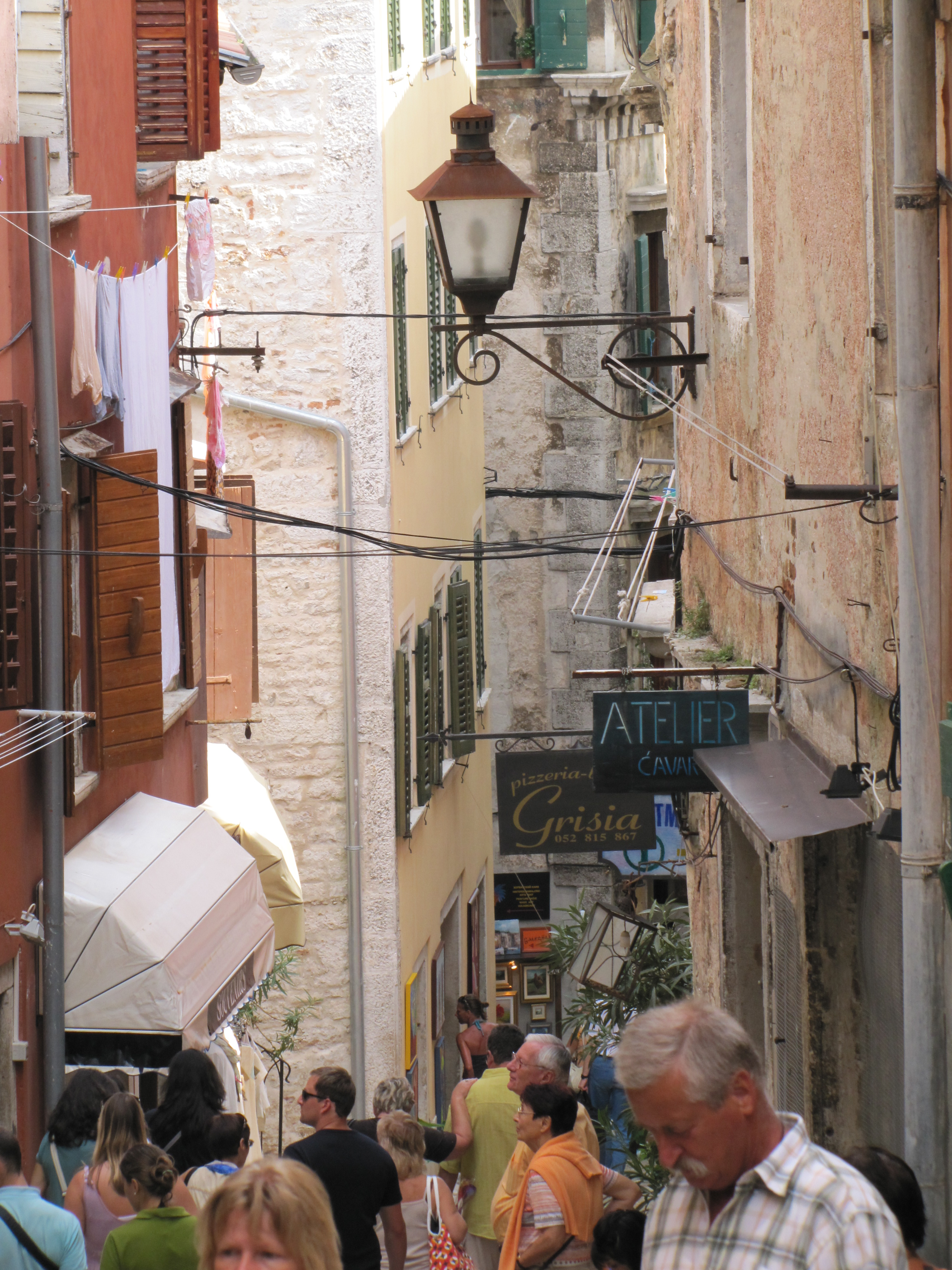

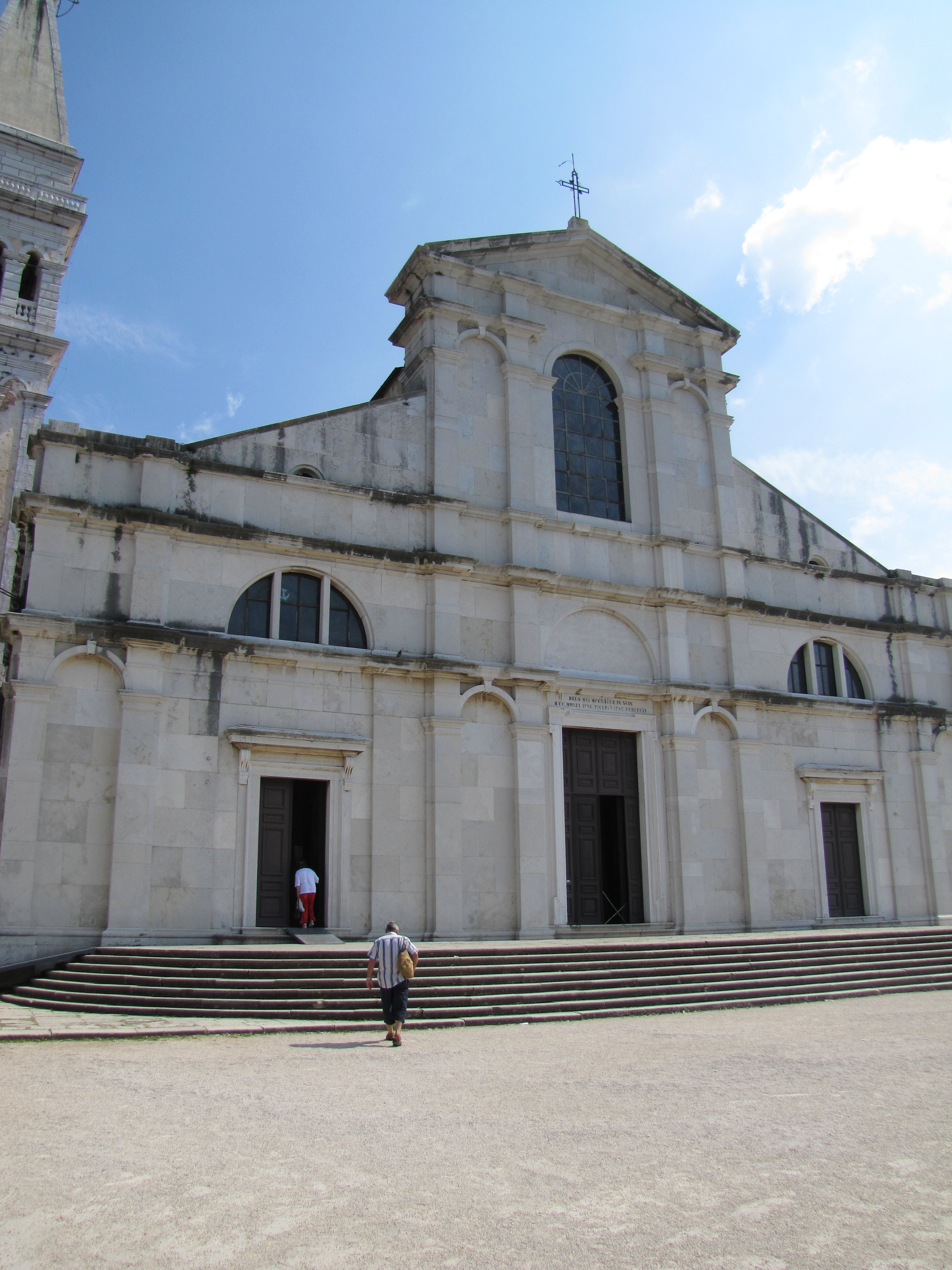
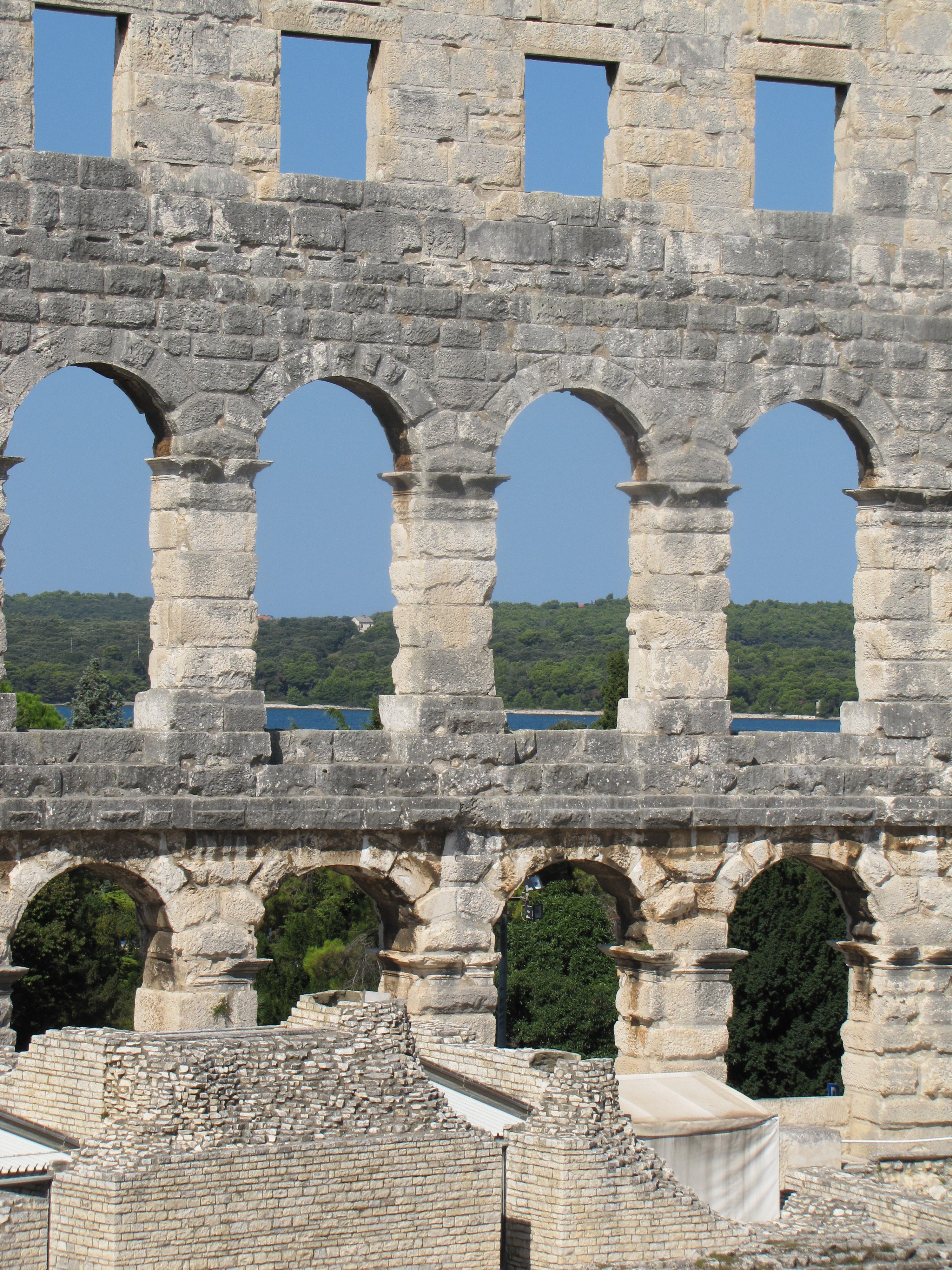
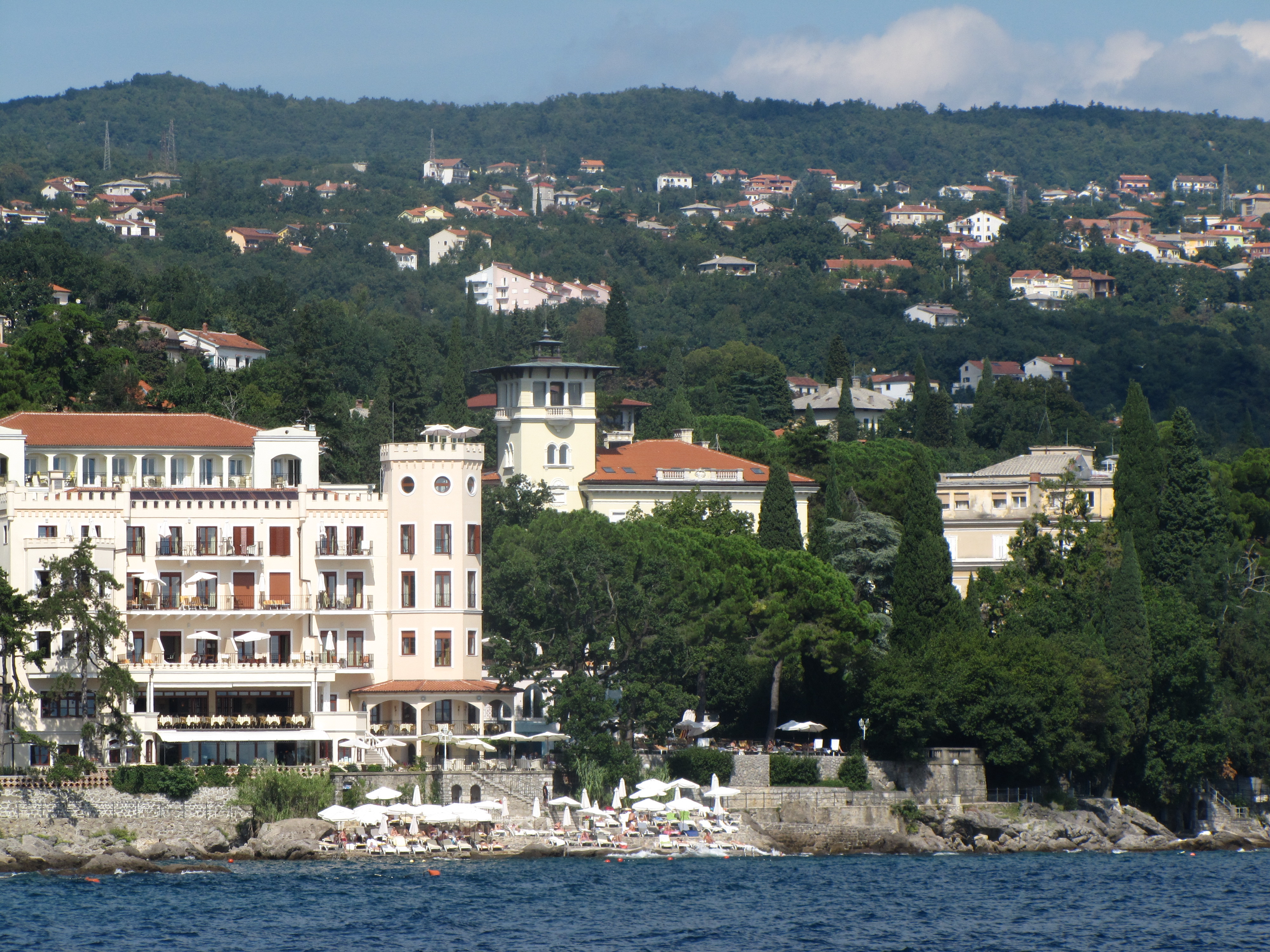
The Roman ruins in Pula and the terracotta roofs of the hillside homes in Opatija (both down the coast from Rovinj) further attest to this centuries-old intermingling.
If Croatia is still not Italian enough, a quick 2.5 hour speedboat ferry ride from Porec to Venice might do the trick. Yes, I said Venice. Imagine, a Croatian breakfast at 7AM and then a Venetian plate of angel-hair pasta for lunch. How unfair!

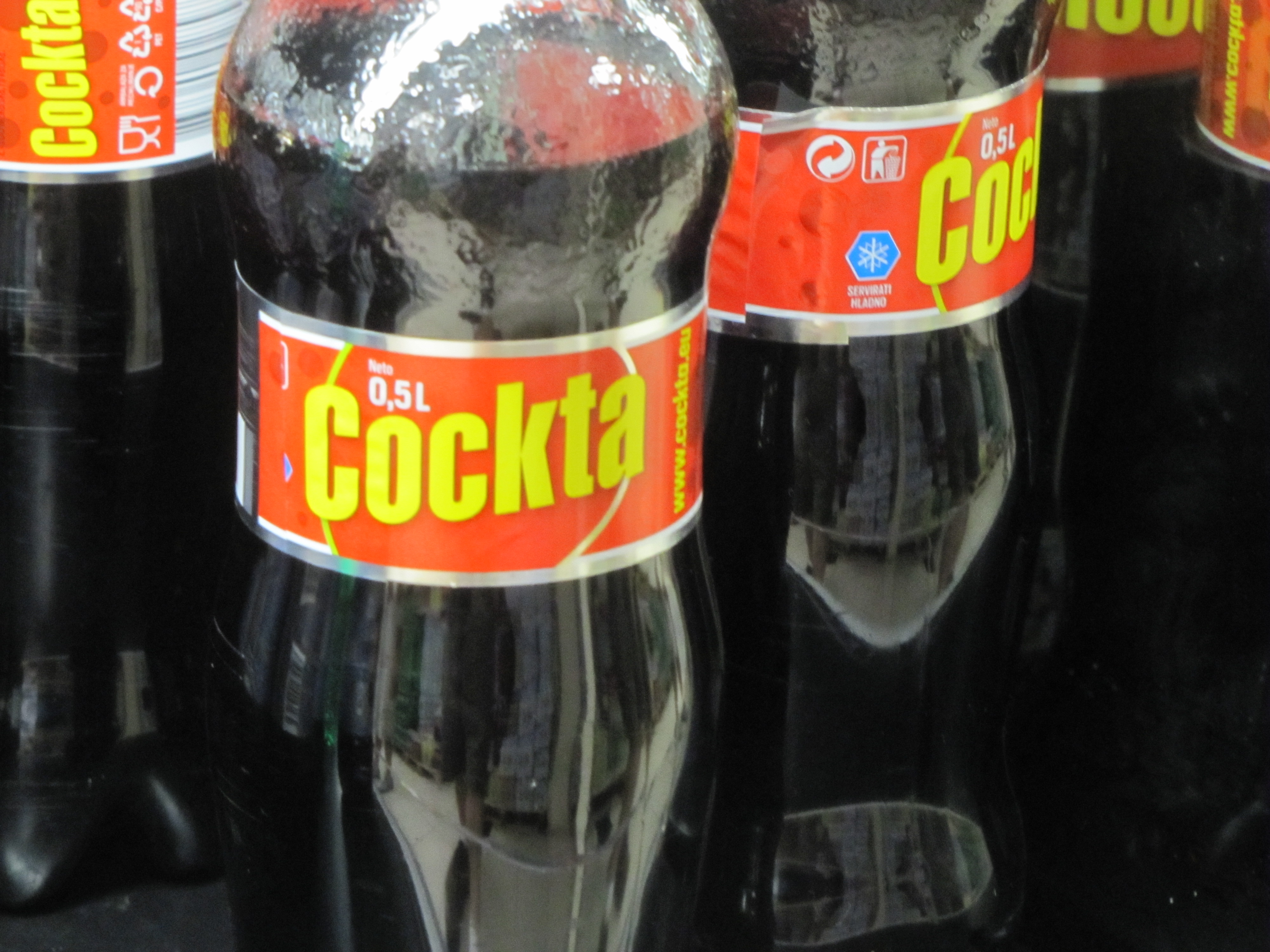
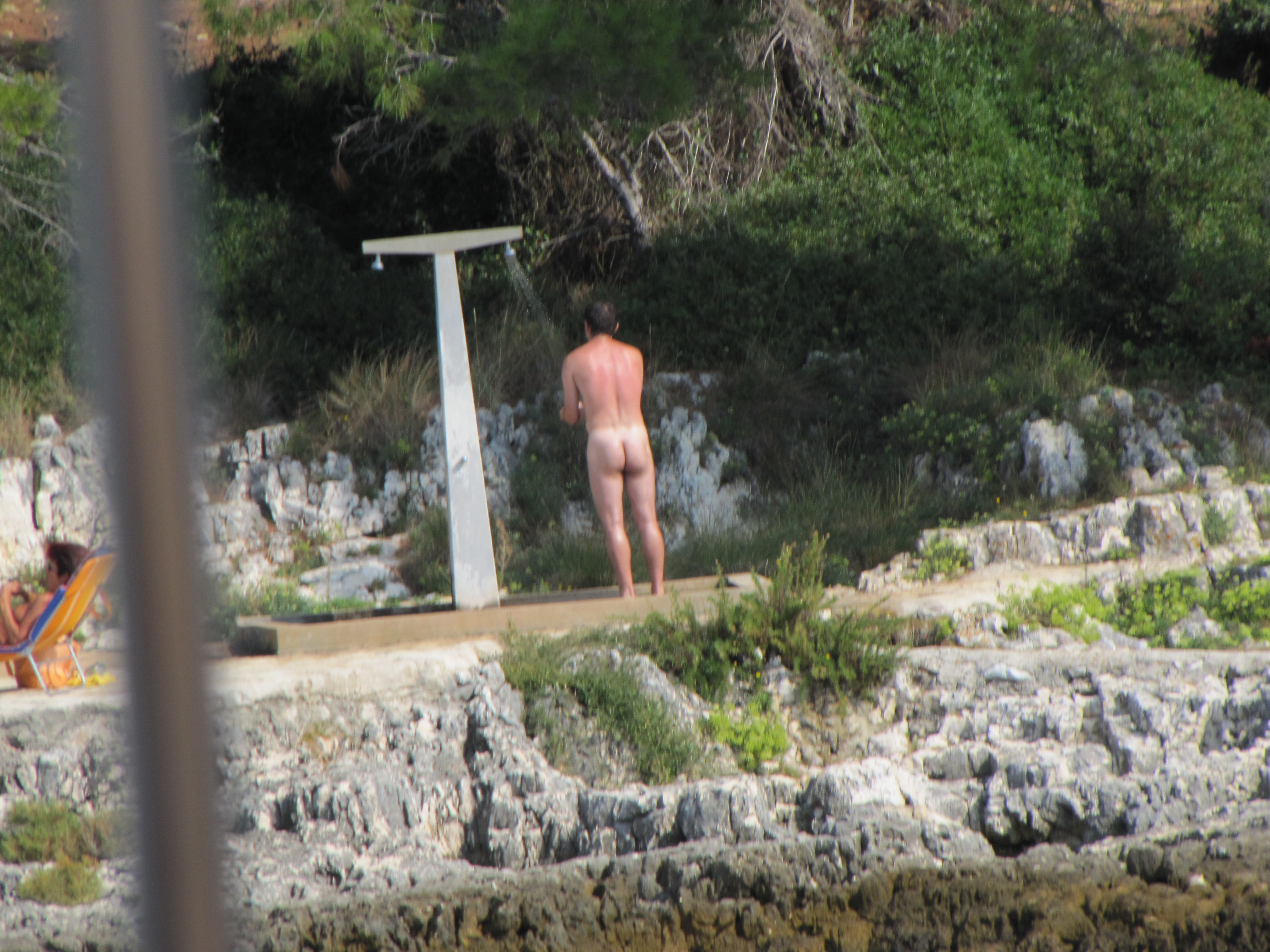
Croatia has a culture all its own though. From its suggestively-named local soda to its concrete diving platforms to its fancy Art Deco public showers.

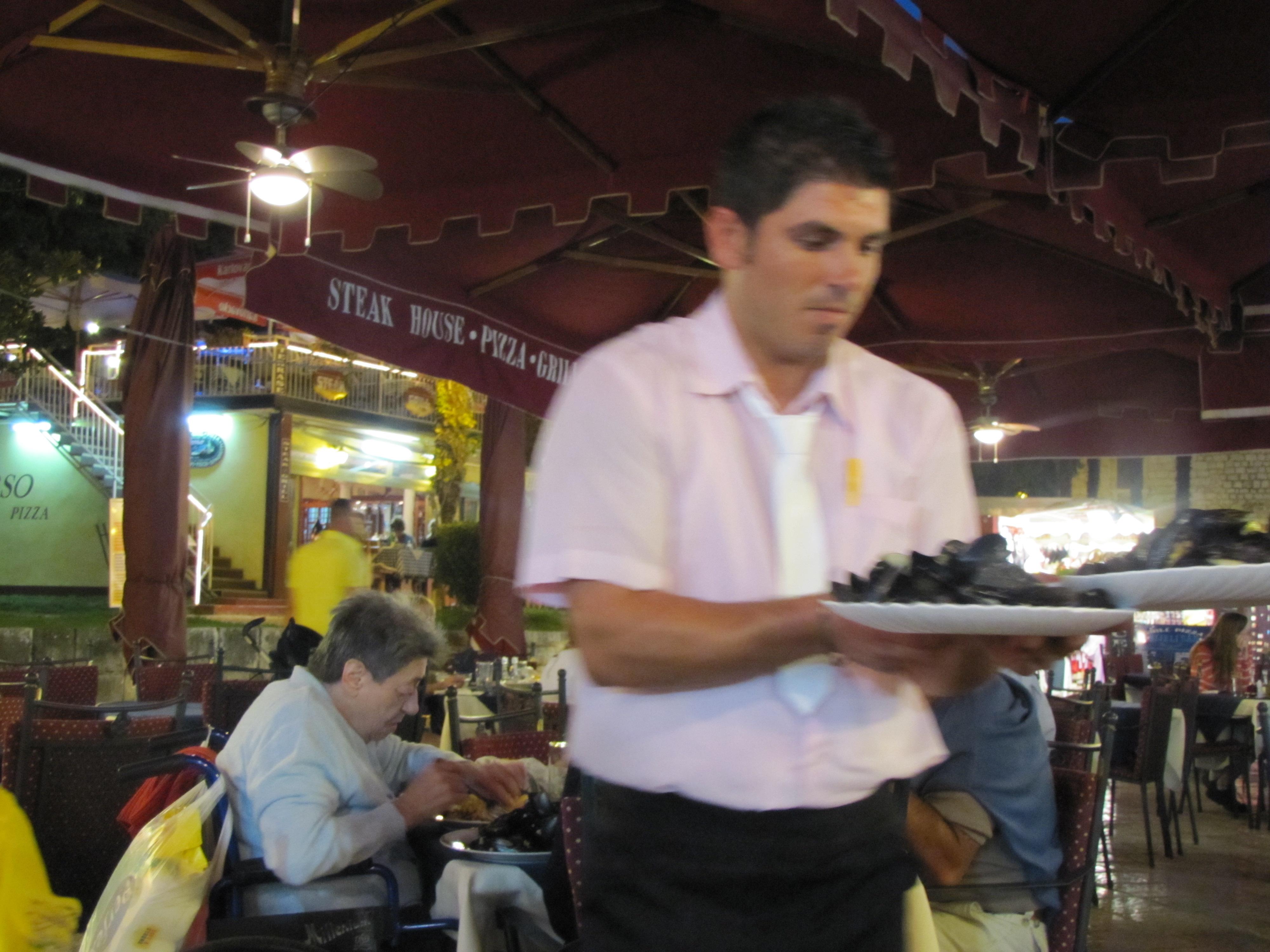
FUN FACT. Having grown up in Hawaii, I never got to experience firsthand the migration of seasonal workers during the vacation months (like on the East Coast of the continental US); it was tourist season year-round for us. In Europe, during the high season, multitudes of multilingual hotel workers and restaurant staff from around the continent (some even from as far as the Middle East) flock to Porec and other coastal Mediterranean towns for work. According to Peter and Traude, the temperament of this temporary workforce changes throughout the season; from warm and inviting in late May/early June to noticeably irritable toward the end of August and into early September. Don’t be offended if you detect a sense of curtness; many just want to go home and return to their regular lives.


Leave a comment