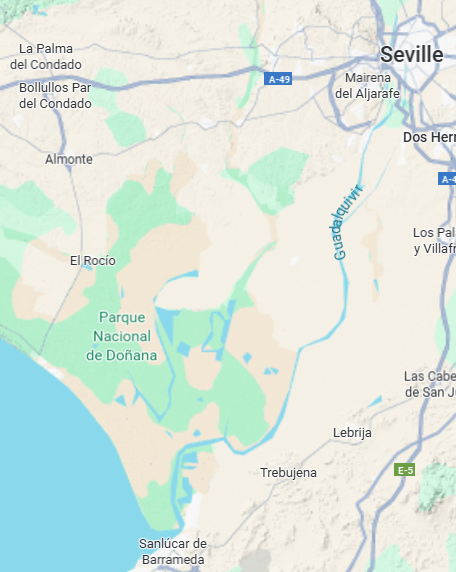
The gamble that King Ferdinand II and Queen Isabella I took in 1492 paid off handsomely. From roughly the 16th to the 18th century, the Spanish held a monopoly over the Trans-Atlantic trade with the Americas. The nerve center of this lucrative commerce was the city of Sevilla. Although located inland from the Atlantic, the city is situated on the Guadalquivir (al-wadi I-kabir in Arabic or “the great river”), the only navigable tributary in Spain that could accommodate the large trading galleons.
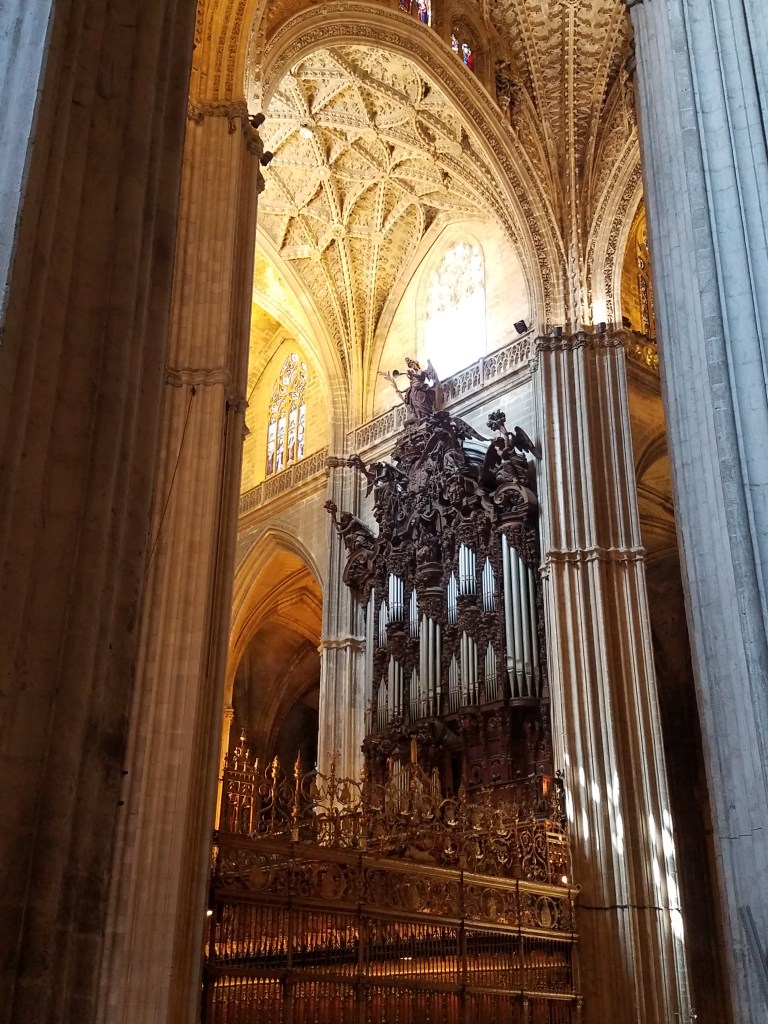
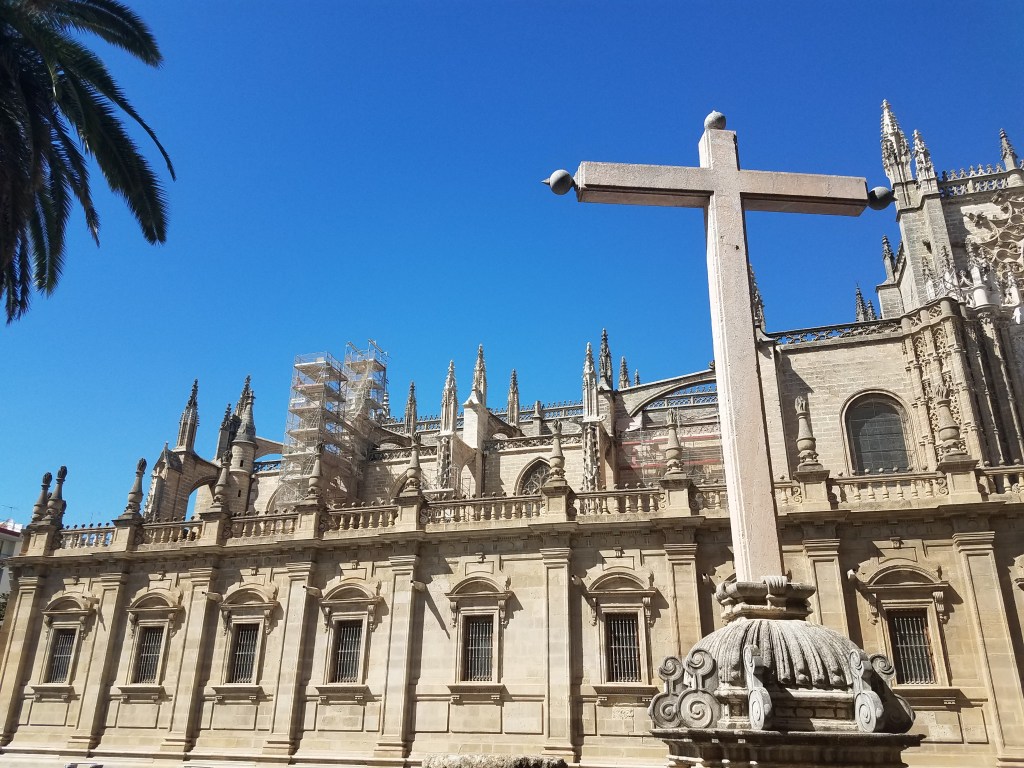
The wealth from that time is still evident in Seville. A prime example is the Catedral De Sevilla. The building, originally the Grand Mosque of the Almohads, was converted, after the expulsion of the Muslims, into the the largest Gothic cathedral in the world.
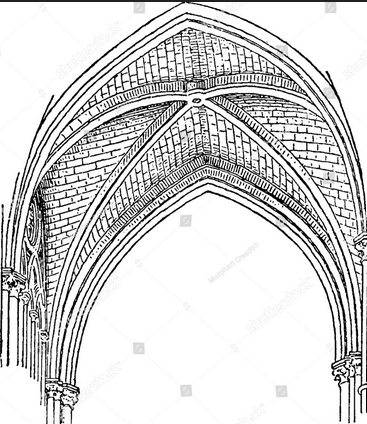
FUN FACT: Goth versus Gothic. Goth refers to the subculture centered around dark, atmospheric, melancholic rock music and the fashion and lifestyle that it inspired. Gothic, on the other hand, was an architectural style that developed in 12th century France that emphasized height, light, and intricate ornamentation; the most prominent features include pointed arches, ribbed vaults, and flying buttresses.



As an homage to the explorer who began it all, the Cathedral also contains the alleged remains of Christopher Columbus.


Leave a comment