It may be best to start at the end.
1492. The year Columbus sailed the ocean blue. The year the last Muslim ruler surrendered Al-Andalus (Romanized to Andalusia) to the Spanish monarchs; the very same rulers who had sponsored the expedition to the New World. The year the last Arab stronghold of Granada fell.
While one empire expanded, another contracted.
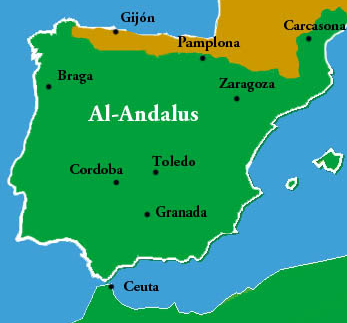
A brief recap of what had transpired previously on the Iberian Peninsula.
Christianity, an offshoot of Judaism, was gaining momentum in the Levant. The new religion struggled to gain a firm foothold in the wider region until Emperor Constantine, in 313 AD, circuitously declared Christianity as the official religion of the vast Roman Empire, which stretched from Iberia in the west, across north Africa, and as far east as the Tigris River.

And like many emperors who wanted to make their mark in the history books, he legitimized the purging of non-Christians (primarily Muslims and Jews) from Europe and Jerusalem, the sacred birthplace of the new faith.
In the region of modern-day Spain and Portugal, that cleansing was known as the Reconquista or the “Reconquest” (in Spanish) and started shortly after the Moors crossed the Strait of Gibraltar in 7-11 AD.


Leave a comment