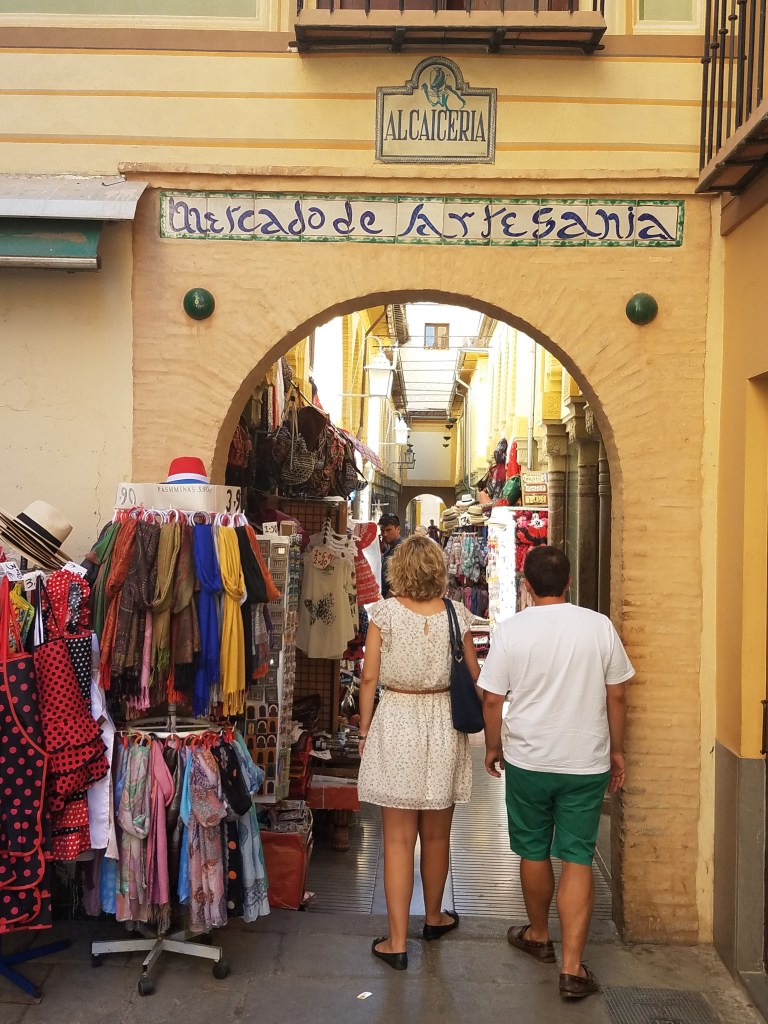
Eight centuries of Arab influence have left an indelible mark on south western Europe. If the objective of the Reconquest was to rid Iberia of the Muslim presence, it failed spectacularly. Nowhere is this failure more evident than in the beautiful city of Granada.
The Alcaiceria (“al-kaysar-ia” or “Ceasar’s Place” in Arabic) is a vestige of a much larger and grander network of Arab silk and goods markets that thrived in the city during the time of Muslim rule. It is now just a narrow calle (“street” in Spanish) where tourist can get a small taste of the exotic souks or bazaars of north Africa as well as “handcrafted” souvenirs for their trip.
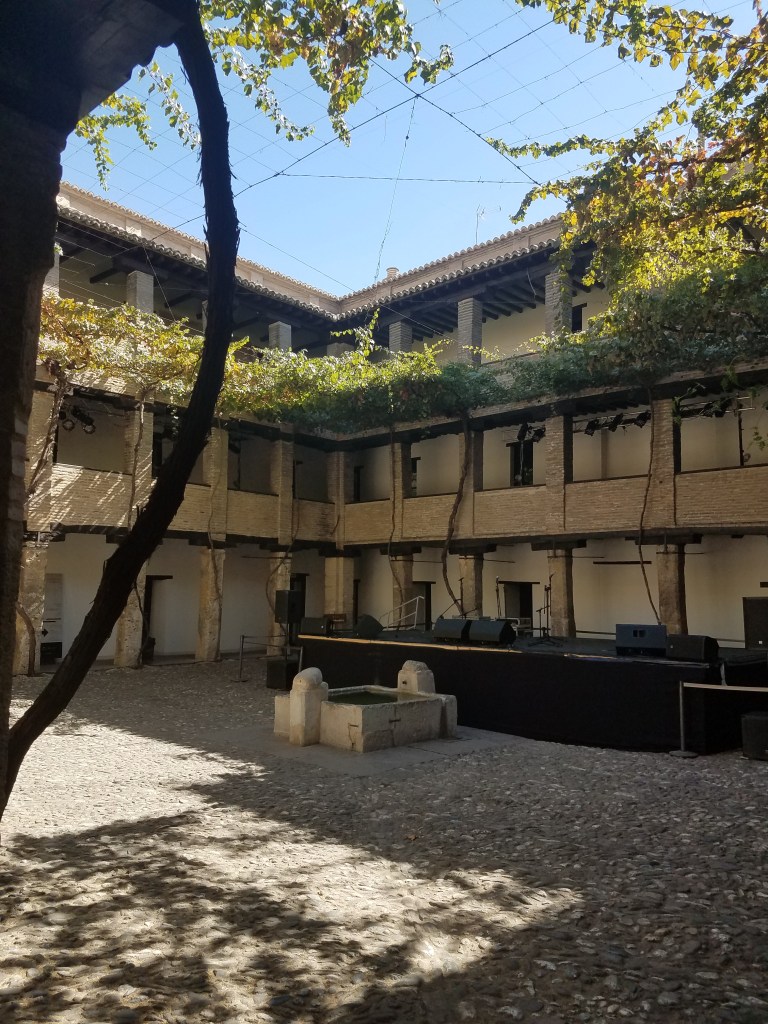
Around the corner from the Alcaiceria is the Corral del Carbon or al-Funduq al-Jadida in Arabic. A Funduq was a warehouse for goods that also served as lodging for the numerous merchants who came to the city to trade.
TRAVEL TIP: The Corral del Carbon is one of four locations where visitors who have purchased their Alhambra tickets online can redeem them. The other three being the Alhambra Ticket Office, Palacio de Dar al-Horra, and El Banuelo. The Corral is the most convenient if already in the city center.
The Cathedral of Granada leaves no trace (intentionally of course) that it was once the site of a grand mosque (an Islamic place of worship) in the city.
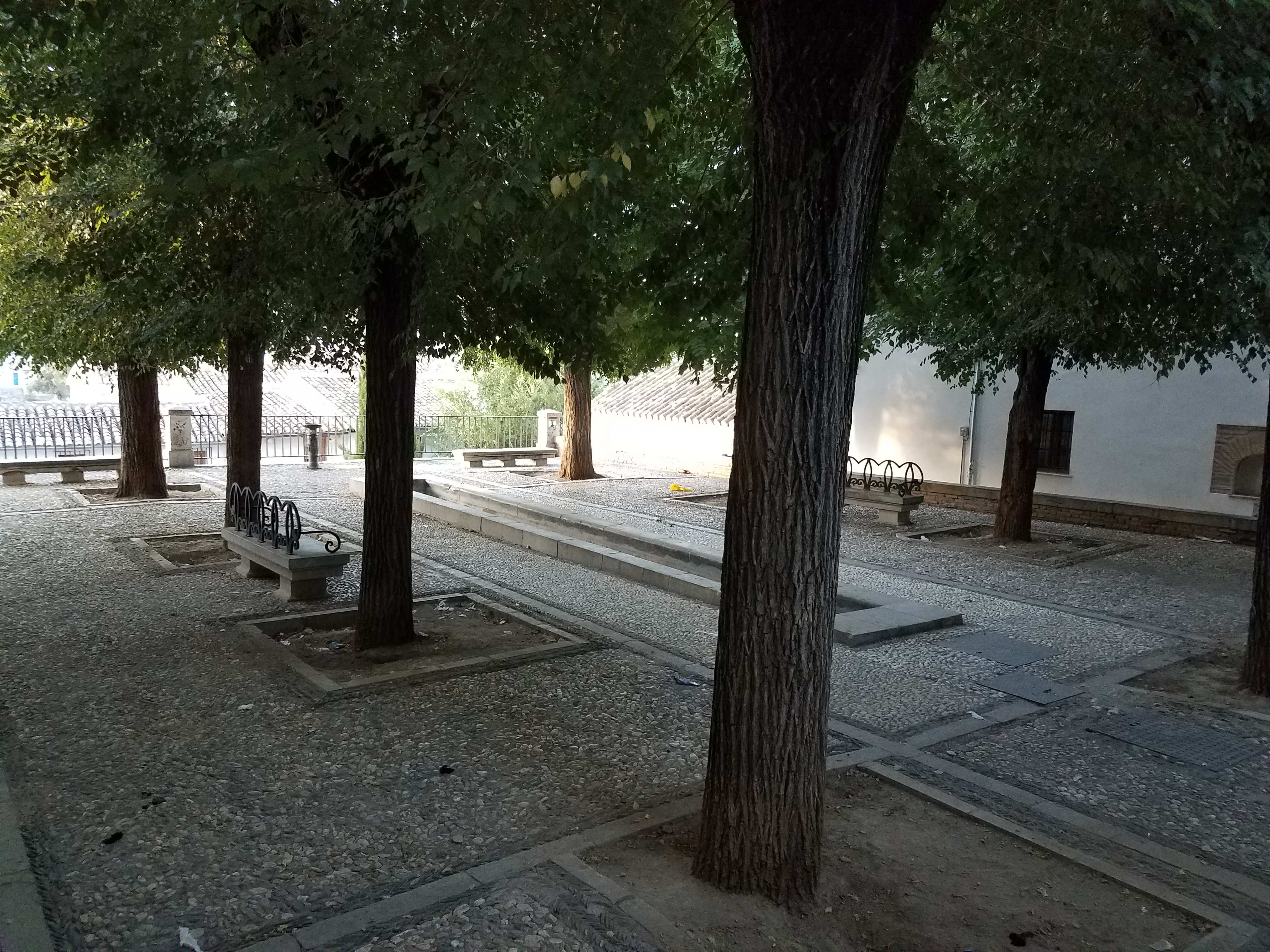
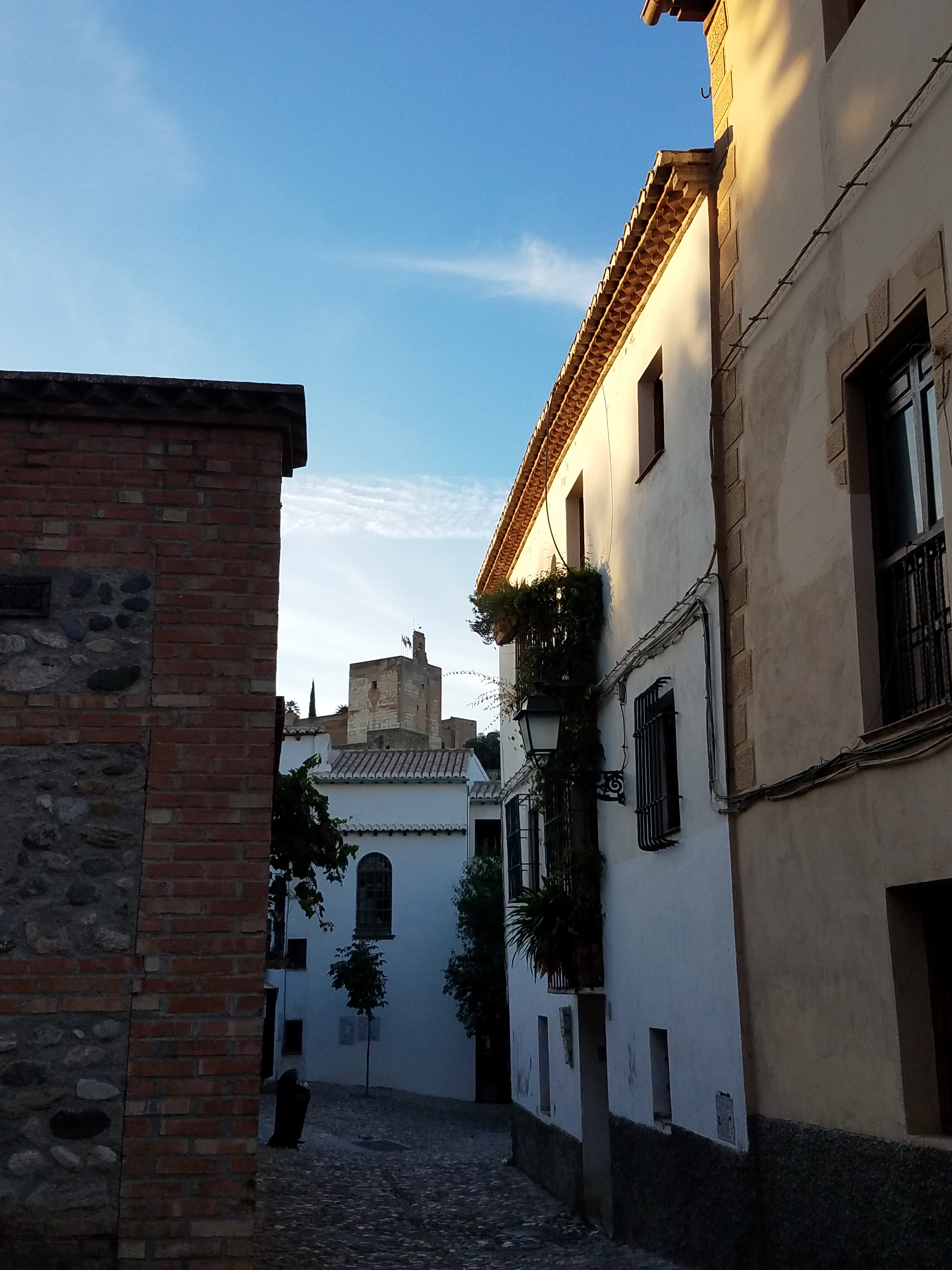
The Albaicin/Albayzin is the hilly neighborhood in the northeast of Granada. It is built in the Islamic style of narrow winding streets, quiet secluded parks, and panoramic lookouts.


On the outskirts of the Albaicin along the Darro river stands El Banuelo, the last remaining and best-preserved ancient hammam (Arabic bathing houses) in the country.

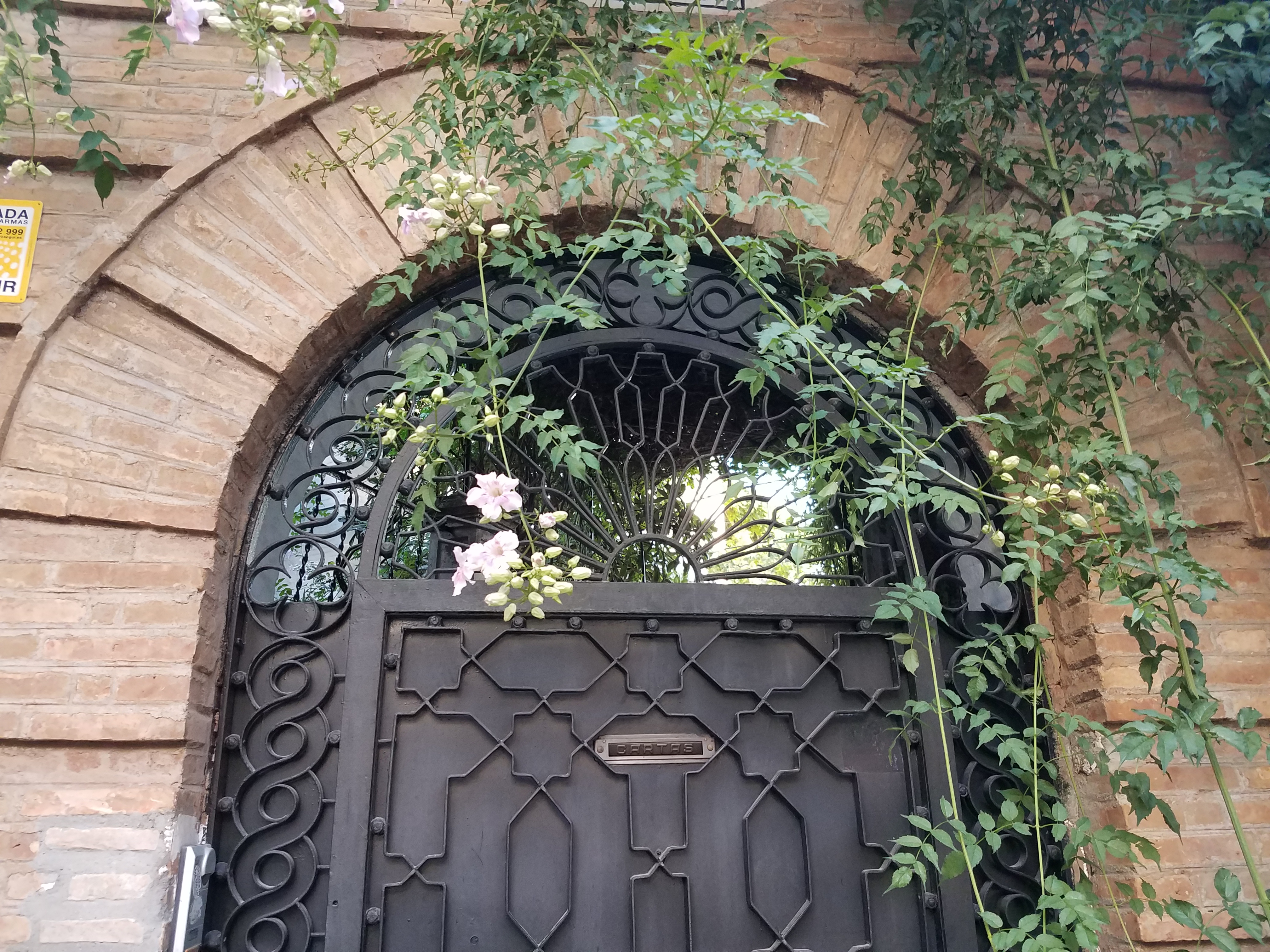
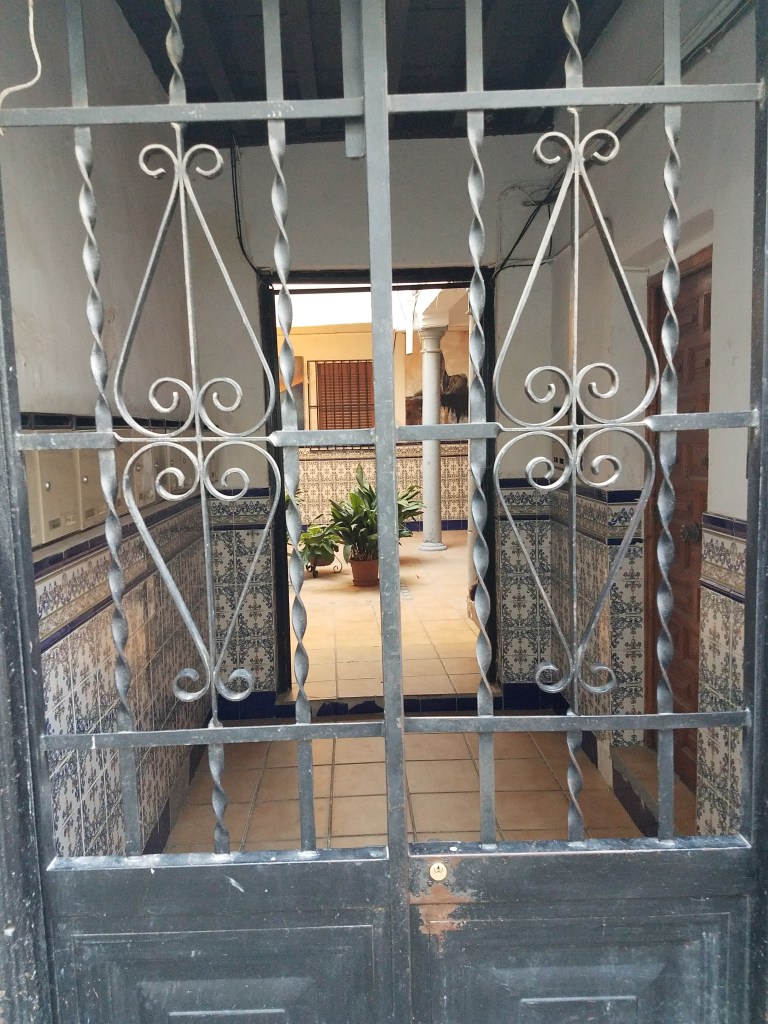
The typical Muslim home emphasizes four aspects: modesty, privacy, hospitality, and, above all, remembrance of Allah (the Supreme Being in Islam). Traditional architectural elements include mashrabiyah (latticed windows for ventilation and privacy), calligraphic/floral/geometric ornamentation, and, my personal favorite, internal courtyards.


Leave a comment