In Arabic, the term riad refers to a type of internal garden courtyard. In its classical form, it is rectangular in shape and divided into four quadrants by two paved paths intersecting in the center, typically anchored by a fountain. The planted areas are usually sunken below the level of the surrounding paths.
We had already unknowingly come across several riads or some variation of them during our stay.
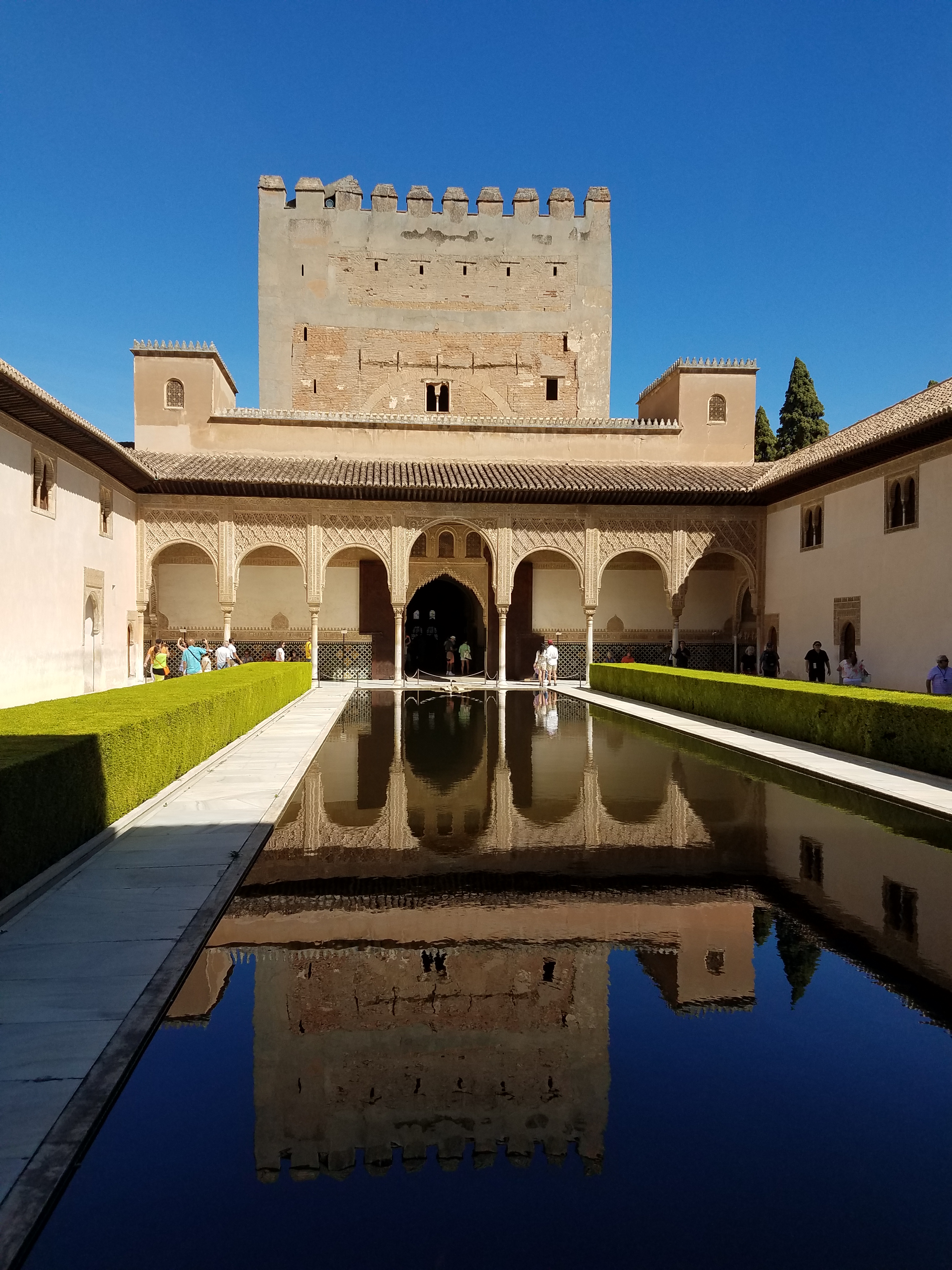
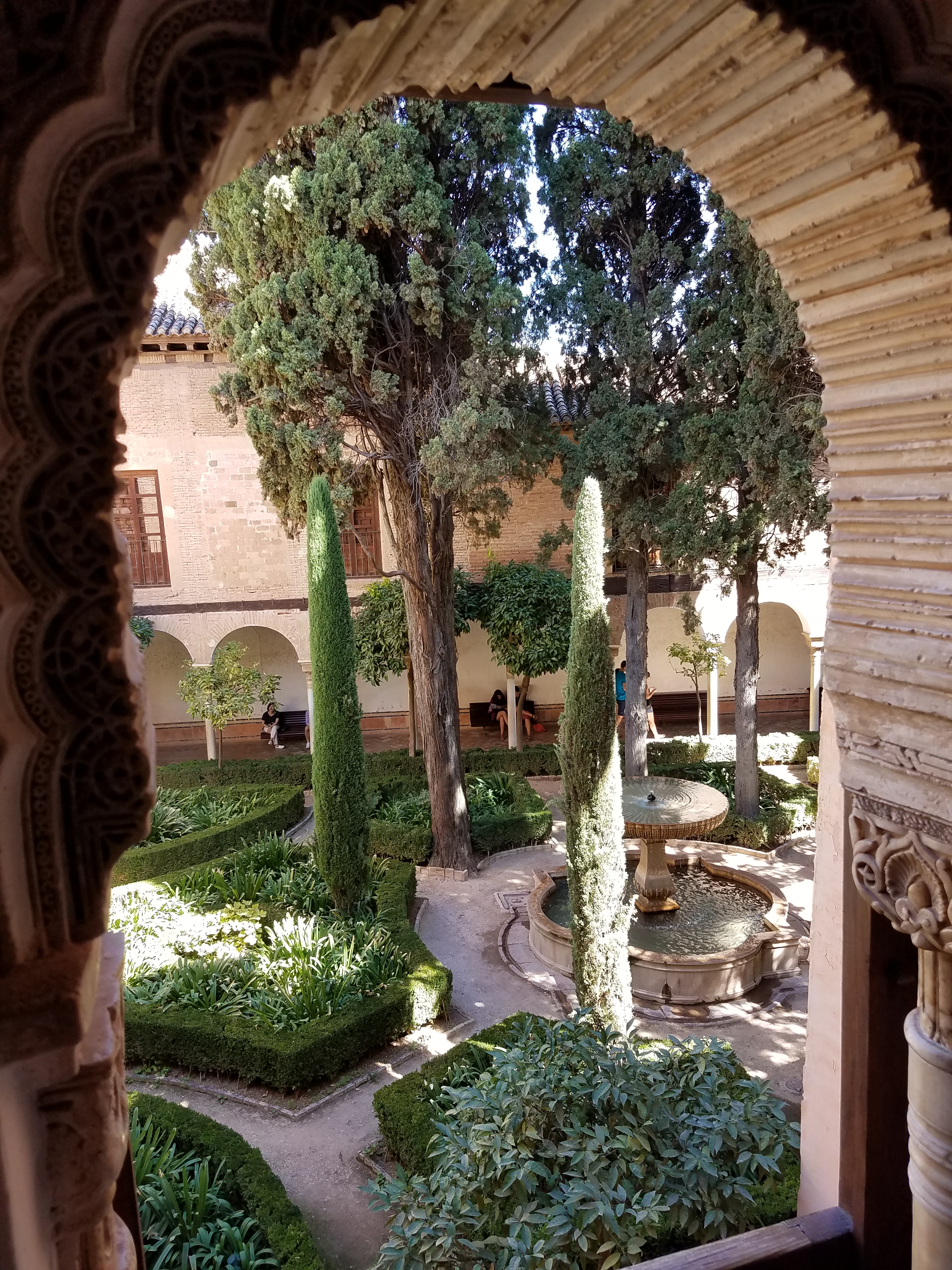
In Granada, we marveled at the Patio de los Arrayanes and the Patio de Lindaraja at the Alhambra.
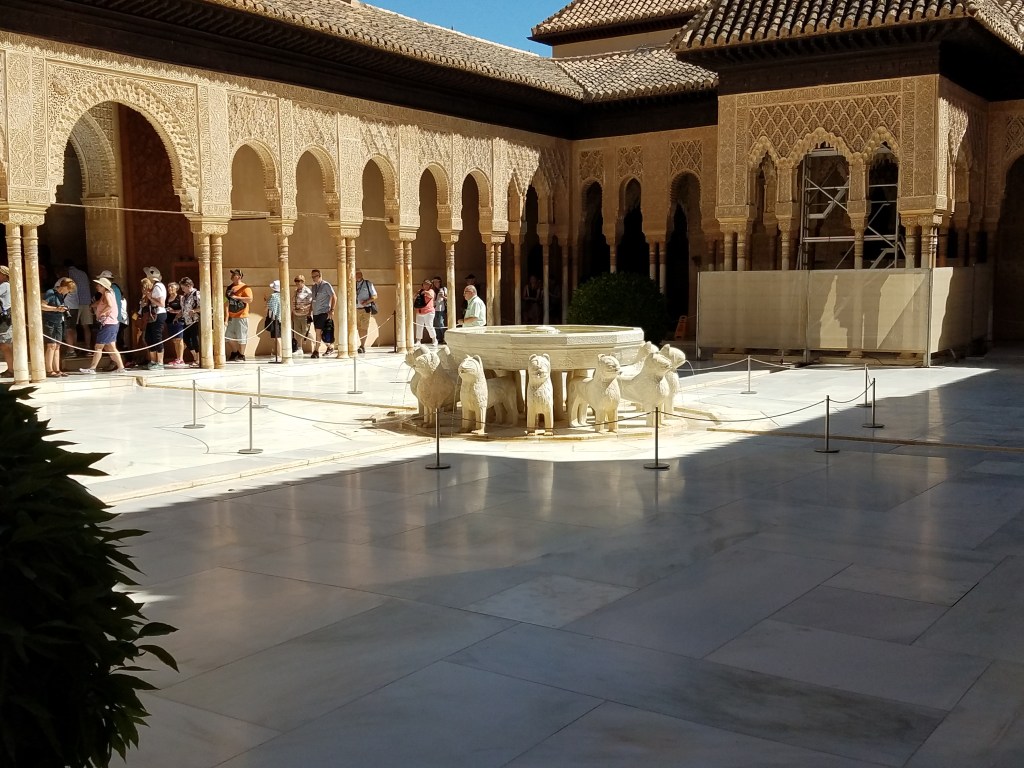
Deeper into the Red Fortress, the Patio de Los Leones could be considered a garden courtyard made of stucco and marble.
The most memorable feature for us of the Real Alcazar in Seville was the sprawling walled garden.
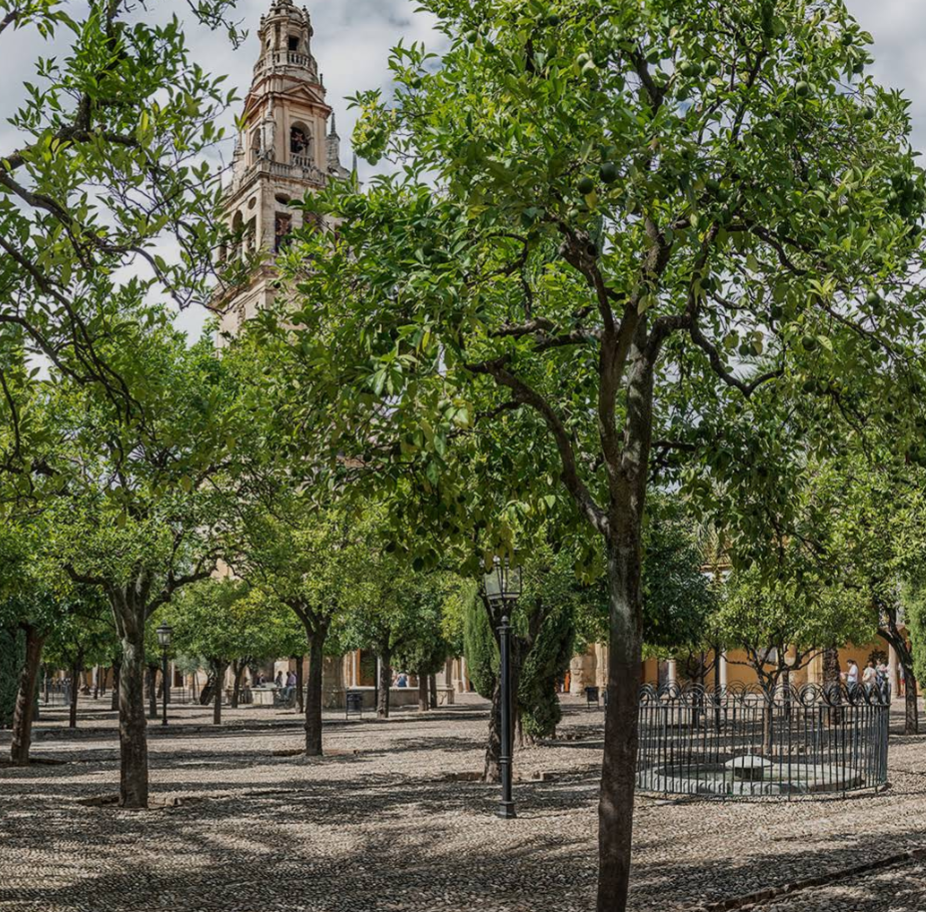
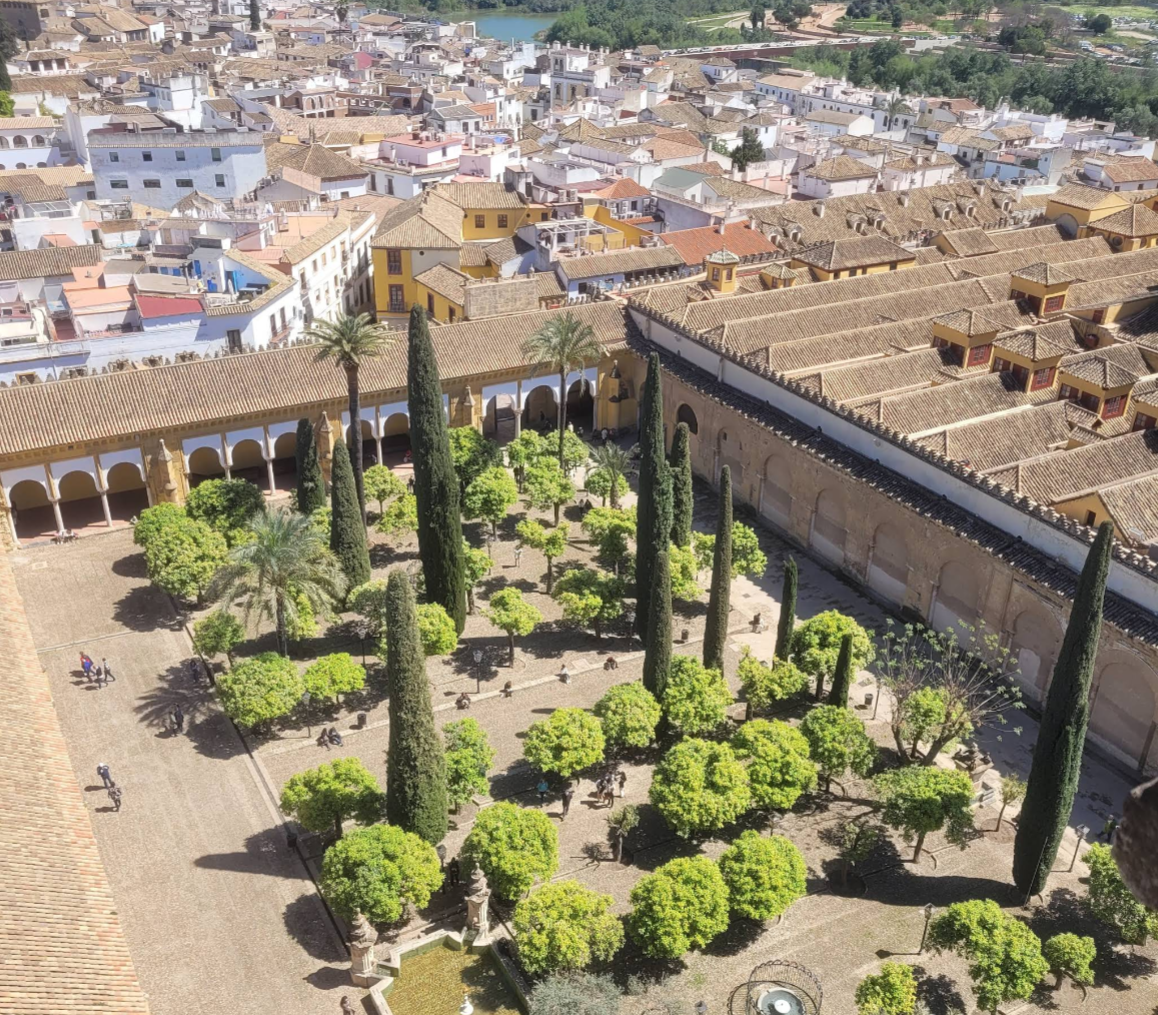
Up close, the Patio de los Naranjos at the Mezquita in Cordoba could be easily mistaken as just urban horticulture.
At the ruins of the El Badi Palace in Marrakesh, the recessed orange groves once added to the grandeur of the complex.
These riads echoed of my childhood imagination. There was something so appealing and comforting about a secluded space concealed from the outside world filled with greenery.


Leave a Reply